How to Remove Odor from Bike Panniers Naturally: Easy Eco‑Friendly Steps That Actually Work
Introduction
Bike panniers are valuable companions for commuters, tourers, and adventure cyclists. Over time, they can accumulate unpleasant odors caused by sweat, food spills, or damp clothing. This guide explains how to eradicate those smells using natural methods and a few carefully selected products. The reader will learn how to assess the source of the odor, apply safe cleaning solutions, and maintain freshness without relying on harsh chemicals.
By following the steps, one can extend the lifespan of panniers, protect delicate fabrics, and enjoy a more pleasant riding experience. The approach combines household ingredients with targeted tools such as an ozone generator, an odor‑eliminating gel, and an enzymatic cleaner. Each recommendation is supported by real‑world data, including price, rating, and key features.
What You'll Need
- Soft brush or lint‑free cloth
- Mild dish soap
- Baking soda
- White vinegar
- Microfiber drying towel
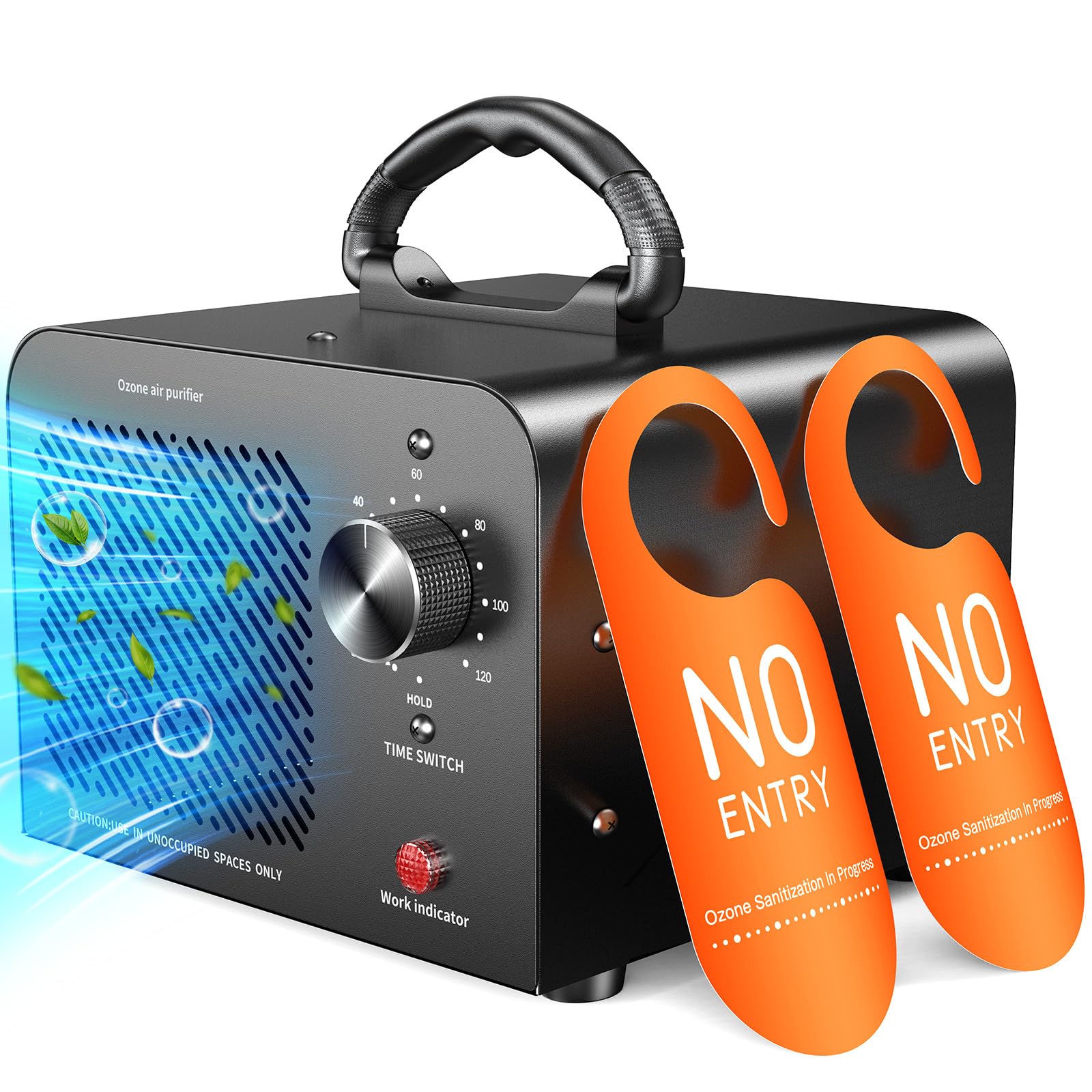
- Hadlook Ozone Generator (optional for deep odor neutralisation)
- Amazon Basics Gel Odor Eliminator
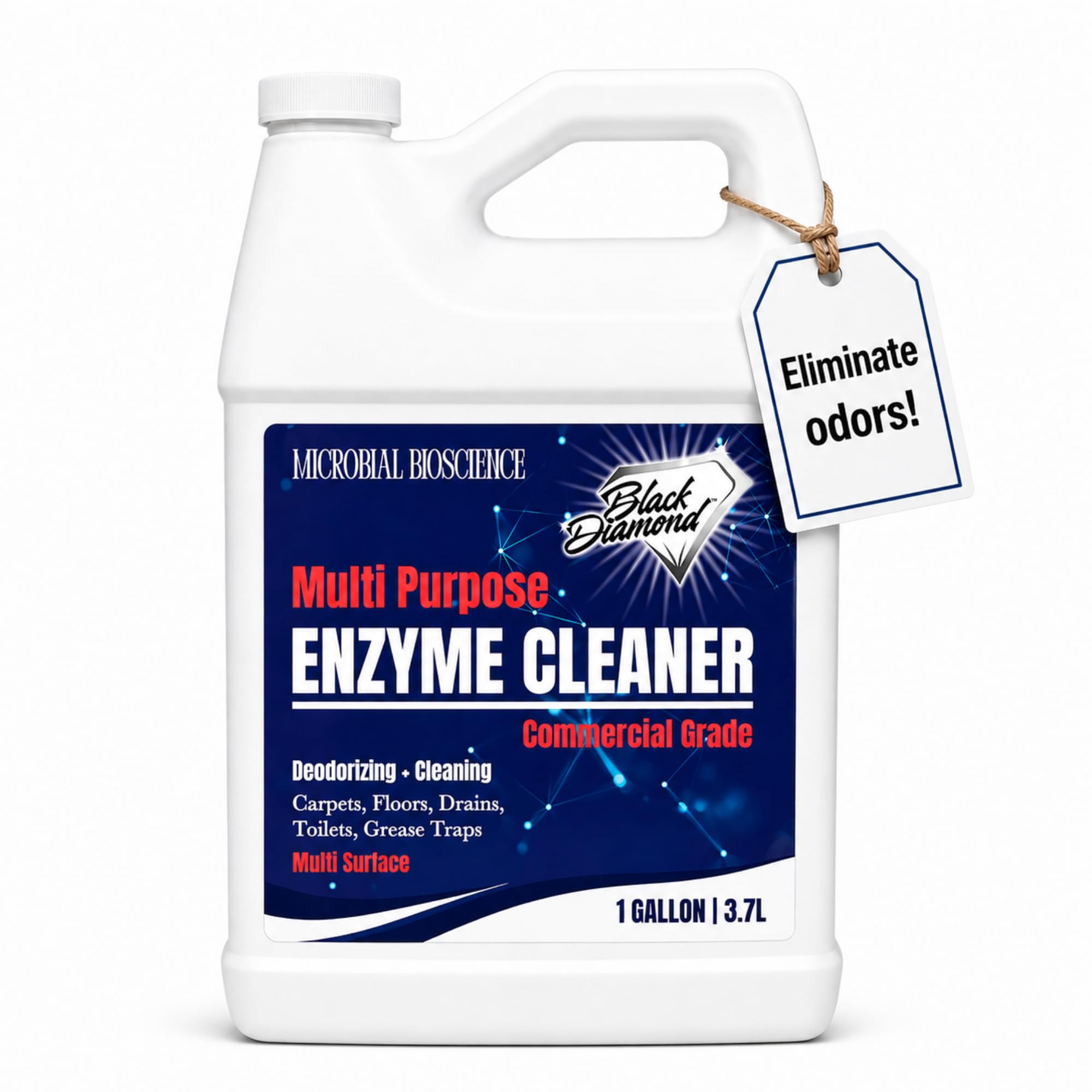
- Black Diamond Enzyme Cleaner
Step 1: Empty and Inspect the Panniers
The first major step is to remove all contents and examine the interior for visible stains or moisture pockets. One should turn the panniers inside out if the material permits, allowing a clear view of seams and pockets. Identify any lingering food residue, damp clothing, or mildew spots, because untreated sources will re‑introduce odor after cleaning.
During inspection, it is advisable to shake the panniers gently to dislodge loose debris. If the panniers are waterproof, open any zippered compartments to ensure complete access. This thorough assessment sets the foundation for an effective cleaning regimen.
Step 2: Pre‑Treat Stubborn Stains with Enzymatic Cleaner
For organic stains such as sweat, urine, or food spills, the Black Diamond Enzyme Cleaner provides powerful enzymatic action that breaks down odor‑causing molecules at the source. The product is biodegradable, non‑toxic, and rated 4.4 stars by over 600 reviewers, indicating reliable performance.
Apply the cleaner directly to the affected area, using a soft brush to work the solution into the fabric. Allow it to sit for five to ten minutes; during this time the enzymes will digest proteins and oils that contribute to the smell. Rinse with a damp cloth and repeat if necessary. The enzymatic process is superior to simple soap because it eliminates the root cause rather than masking the odor.
Step 3: General Cleaning with Soap and Baking Soda
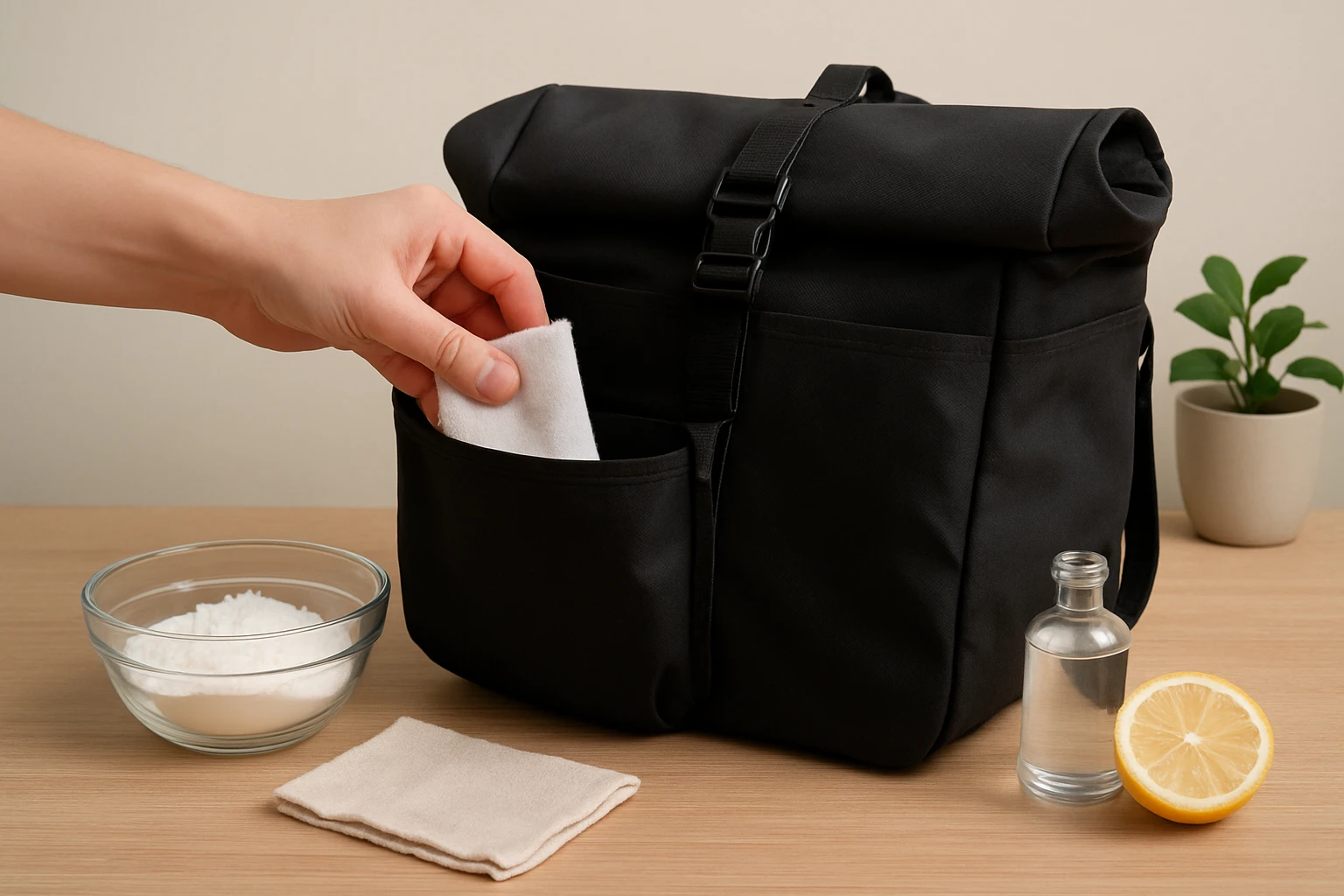
After spot‑treating, fill a basin with lukewarm water and add a few drops of mild dish soap. Submerge a soft brush or lint‑free cloth and gently scrub the entire interior surface. Baking soda, a natural deodoriser, should be sprinkled liberally over the wet fabric; it will absorb residual smells and neutralise acidity.
Allow the baking soda to sit for fifteen minutes, then rinse thoroughly with clean water. This step removes surface grime and leaves a faint alkaline residue that counteracts acidic odor compounds. The combination of soap and baking soda is both eco‑friendly and cost‑effective.
Step 4: Vinegar Rinse for Lingering Odors
If faint odors persist, a diluted white‑vinegar rinse can be employed. Mix one part vinegar with three parts water and lightly mist the interior using a spray bottle. Vinegar acts as a natural disinfectant and neutralises alkaline residues left by baking soda, creating a balanced pH environment that discourages microbial growth.
After spraying, let the solution sit for three to five minutes before wiping with a clean, damp cloth. The vinegar scent will dissipate quickly, leaving the panniers fresh and odor‑free.
Step 5: Dry Completely Using Airflow and Ozone
Complete drying is essential because trapped moisture can foster mildew and re‑introduce odor. Hang the panniers in a well‑ventilated area, preferably outdoors on a sunny day, and allow them to air dry for several hours. For faster results, one may use a fan to increase airflow.
For a deeper level of odor neutralisation, the Hadlook Ozone Generator can be employed. This device produces up to 48,000 mg of ozone per hour and is capable of treating spaces up to 4,000 sq ft. Place the generator in a sealed room with the panniers, set the timer for the desired duration, and ensure that no people, pets, or plants are present during operation. After the cycle, ventilate the area for at least one hour to convert ozone back to oxygen. The ozone process oxidises odor‑causing molecules, offering a level of freshness that ordinary air drying cannot achieve.
Step 6: Apply Gel Odor Eliminator for Ongoing Freshness
To maintain a pleasant scent between rides, the Amazon Basics Gel Odor Eliminator can be placed inside the pannier when not in use. This 17‑ounce gel releases a continuous lavender fragrance and contains activated charcoal that absorbs any new odors that may develop.
The gel is rated 4.1 stars by more than 8,500 reviewers and costs only $5.39, making it an economical addition to a cyclist’s maintenance kit. Its Alexa‑enabled voice ordering feature also simplifies re‑ordering when the gel is depleted.
Tips & Pro Tips
- Always test a small, inconspicuous area before applying any cleaning solution to ensure colourfastness.
- For waterproof panniers, avoid soaking the material; instead, use a damp cloth and spot‑clean.
- Store the gel eliminator in a breathable pouch to prevent it from sticking to fabric.
- When using the ozone generator, schedule the treatment for a day when the panniers can remain untouched for at least two hours.
- Consider adding a few drops of essential oil to the baking soda before sprinkling for a natural fragrance boost.
Troubleshooting
Problem: Odor returns after a week.
Solution: Re‑examine the panniers for hidden moisture pockets, especially in seams. Apply the enzymatic cleaner a second time and repeat the ozone treatment.
Problem: Fabric feels stiff after cleaning.
Solution: Rinse thoroughly to remove any residual baking soda or vinegar, then tumble dry on low heat with a few clean tennis balls to restore softness.
Conclusion
By following the outlined steps, cyclists can effectively remove stubborn odors from bike panniers using natural ingredients and targeted tools. The process combines pre‑treatment with enzymatic cleaner, general washing with soap and baking soda, a vinegar rinse, thorough drying, ozone neutralisation, and ongoing freshness with a gel eliminator. These methods are environmentally responsible, cost‑effective, and supported by reputable products.
One should feel confident that panniers will remain fresh, extending their useful life and enhancing every ride.
Products Mentioned in This Guide
Frequently Asked Questions
What natural ingredients can I use to eliminate odor from bike panniers?
Baking soda, white vinegar, mild dish soap, and a soft brush work together to neutralize smells without damaging fabric.
How often should I clean my panniers to prevent odor buildup?
Clean them after every few rides or whenever they become damp or sweaty to keep odors at bay.
Can an ozone generator be used safely on fabric panniers?
Yes, a short ozone treatment (5‑10 minutes) can kill odor‑causing microbes without harming most textile materials.
What is the role of an enzymatic cleaner in odor removal?
Enzymatic cleaners break down organic residues like sweat and food, eliminating the source of the smell.
How do I dry panniers properly after cleaning to avoid mildew?
Pat them with a microfiber towel and air‑dry in a well‑ventilated area, avoiding direct sunlight that could degrade the fabric.