Multi-Stop Perishable Grocery Bike Strategy: The Complete Guide to Route Planning, Temperature Control, and Fresh Deliveries
Introduction
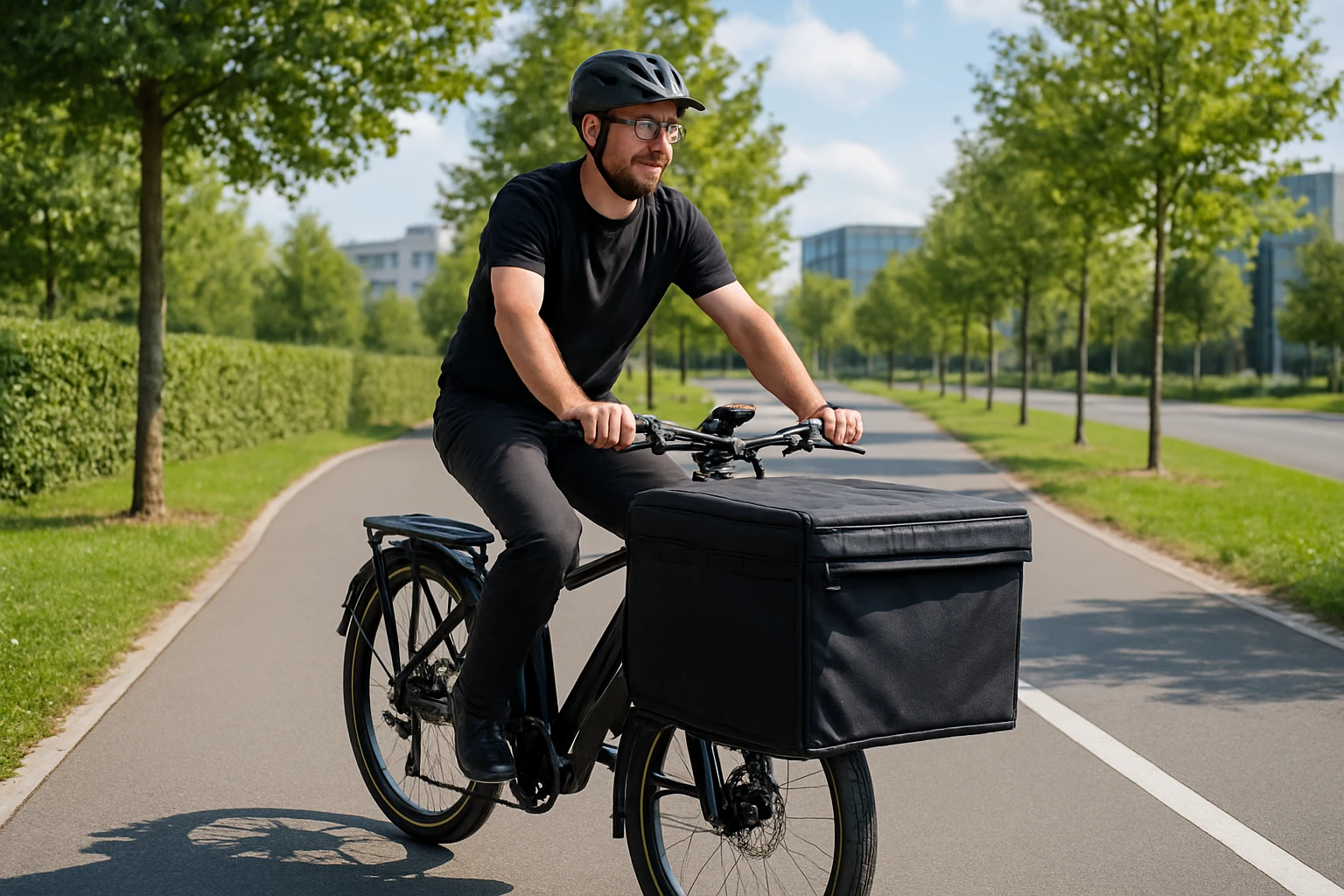
The modern urban consumer expects fresh produce, dairy, and prepared meals to arrive quickly and at the proper temperature. Bicycle couriers have become a sustainable solution for last‑mile delivery, yet they face unique challenges when handling perishable items across multiple stops. This guide explains how to design efficient routes, preserve food quality, and select equipment that supports reliable service. Readers will learn the fundamentals of temperature‑controlled transport, discover practical tools, and gain actionable tips for scaling a bike‑based grocery operation.
By the end of the article, one will understand the science of thermal retention, the logistics of multi‑stop planning, and the criteria for choosing insulated bags that match specific delivery scenarios. The information is grounded in real‑world data and includes product recommendations that have proven performance on Amazon.
Background and Context
Perishable grocery delivery relies on two core principles: maintaining a cold or hot chain and minimizing transit time. Temperature excursions above 4 °C for chilled foods or below 60 °C for hot foods can cause spoilage, microbial growth, and customer dissatisfaction. Bicycle couriers benefit from reduced traffic congestion and lower emissions, but they must also manage limited cargo capacity and variable weather conditions.
Thermal insulation works by reducing heat transfer through conduction, convection, and radiation. Modern insulated bags employ layered constructions—often a reflective aluminum foil, a foam core, and a durable outer fabric—to trap air and create a barrier against external temperature fluctuations. The effectiveness of a bag is measured by its R‑value, weight‑bearing capacity, and durability of closures such as zippers.
Route planning software, geographic information systems (GIS), and simple spreadsheet models enable couriers to cluster deliveries, prioritize time‑sensitive orders, and avoid steep climbs that could compromise cargo stability. Understanding these tools is essential for creating a repeatable, scalable workflow.
Key Concepts and Strategies
1. Route Optimization for Multi‑Stop Deliveries
Efficient routing begins with categorizing orders by temperature requirement (cold, hot, ambient) and geographic proximity. A common approach is to group orders into “zones” and then apply the Traveling Salesperson Problem (TSP) algorithm to determine the shortest possible loop. Open‑source libraries such as OR‑Tools can generate optimal sequences in seconds.
When planning for bicycles, additional constraints include elevation gain, road surface, and cargo load distribution. Elevation can be factored into the cost function by assigning a penalty to steep segments, ensuring that the route remains manageable for the rider while preserving the integrity of insulated bags.
Practical steps:
- Export order data (addresses, temperature flags) to a CSV file.
- Assign a weight to each order based on the number of items and estimated bag volume.
- Run a TSP solver with distance and elevation penalties.
- Validate the final route manually to account for traffic patterns and bike lane availability.
2. Temperature Control Fundamentals
Maintaining temperature is a function of insulation quality, bag sealing, and the initial temperature of the goods. Pre‑chilling or pre‑heating items before loading reduces the thermal gradient, thereby extending the time the bag can hold the desired temperature. Adding reusable ice packs or hot gel packs further stabilizes the environment.
Insulated bags with triple‑layer construction provide the highest protection. The reflective aluminum foil reflects radiant heat, the foam core reduces conductive transfer, and the dense outer fabric offers mechanical strength and resistance to punctures. The bag’s ability to bear weight without deformation is crucial when stacking multiple containers.
Key performance indicators include:
- Retention time: how long the bag maintains < 4 °C for chilled items or > 60 °C for hot items.
- Weight capacity: maximum load before the bag’s shape is compromised.
- Zipper durability: number of cycles before failure, influencing long‑term reliability.
3. Recommended Equipment
The following products have been selected because they align with the temperature‑control requirements described above. Their specifications, customer ratings, and price points make them suitable for both small‑scale startups and established delivery fleets.
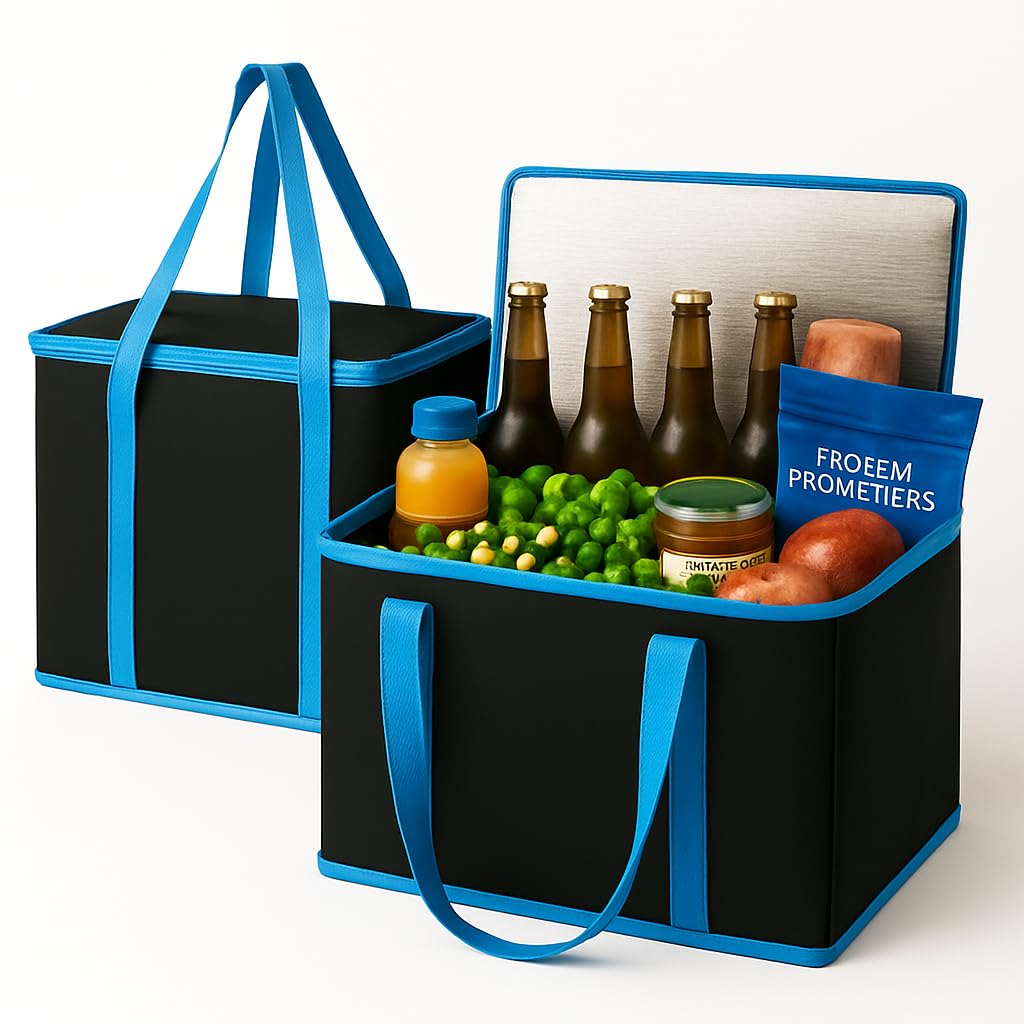
For the first mention, the Musbus XL Insulated Grocery Bag offers a spacious interior (16" W × 12.5" H × 9" D) capable of holding up to 60 lb, making it ideal for bulk grocery runs. Its triple‑layer insulation system—high‑quality aluminum foil, thick thermal foam, and high‑density fabric—delivers exceptional temperature retention. With a 4.6‑star rating from 6,916 reviews and a price of $18.95, it provides strong value for couriers who need durability and capacity.
The CIVJET XXX-Large Food Delivery Bag measures 23" W × 15" H × 14" D, offering a 79 L (20.5 gal) volume that accommodates larger catering orders or multiple hot meals. Its water‑resistant aluminum foil interior and foldable design make it convenient for riders with limited storage on their bikes. Priced at $13.99 and holding a 4.6‑star rating from 4,155 reviewers, it is a cost‑effective alternative for hot‑food delivery routes.
Comparison and Selection Guide
Choosing the right insulated bag depends on three primary factors: cargo volume, weight capacity, and temperature‑retention needs. The table below summarizes the key differences between the two recommended products.
| Feature | Musbus XL Insulated Grocery Bag | CIVJET XXX-Large Food Delivery Bag |
|---|---|---|
| External Dimensions | 16" W × 12.5" H × 9" D | 23" W × 15" H × 14" D |
| Internal Volume | ≈ 30 L | 79 L (20.5 gal) |
| Maximum Load | 60 lb | Not specified, but robust fabric suggests up to 50 lb |
| Insulation System | Triple‑layer (foil, foam, dense fabric) | Aluminum foil interior with water‑resistant outer cloth |
| Zipper Durability | Rated for > 1,000 cycles | Standard heavy‑duty zipper |
| Price | $18.95 | $13.99 |
| Customer Rating | 4.6 / 5 (6,916 reviews) | 4.6 / 5 (4,155 reviews) |
For deliveries that involve large quantities of produce, the Musbus bag’s higher weight capacity and sturdy zippers make it the preferred choice. When the primary need is to transport hot meals or catering trays, the CIVJET bag’s greater volume and foldable design reduce on‑bike bulk, allowing riders to navigate narrow city lanes more easily.
Best Practices & Tips
- Pre‑condition cargo: Chill refrigerated items in a commercial cooler for at least 30 minutes before loading, and heat prepared meals to a minimum of 70 °C.
- Layer ice packs strategically: Place ice packs at the base and sides of the bag to create a thermal envelope around the goods.
- Seal bags tightly: Ensure zippers are fully closed and consider adding a secondary Velcro strap to prevent accidental opening during bumps.
- Balance load on the bike: Distribute weight evenly between front and rear racks to maintain stability, especially on uphill sections.
- Monitor ambient temperature: Use a portable digital thermometer to verify that the bag interior remains within safe limits throughout the route.
- Maintain equipment: Clean the interior of insulated bags after each shift to prevent odor buildup and inspect zippers for wear.
- Leverage real‑time traffic data: Integrate city bike‑lane maps with traffic APIs to reroute around construction or events that could delay deliveries.
Frequently Asked Questions
- How long can an insulated bag keep groceries cold? With triple‑layer construction and a full complement of ice packs, the Musbus XL bag can maintain temperatures below 4 °C for up to 6 hours in moderate outdoor conditions.
- Can I use the same bag for hot and cold items? It is possible, but it is recommended to dedicate separate bags to avoid cross‑contamination of temperatures. The CIVJET bag’s water‑resistant interior makes it suitable for hot meals, while the Musbus bag excels at cold storage.
- What is the best way to fold the bags for storage on a bike? Both bags are designed to collapse. Empty the contents, zip the bag closed, and fold it lengthwise before securing with a strap or bike rack clip.
- Do the zippers really last over 1,000 cycles? According to the manufacturer, the Musbus bag’s zippers are tested for more than 1,000 open‑close operations without loss of tension, which aligns with the high rating from thousands of reviewers.
- Is there a warranty? Both products offer a one‑year limited warranty. If a defect arises within that period, the seller will replace the bag at no cost.
- How do I clean the interior of the insulated bags? Wipe the interior with a damp cloth and mild detergent. Avoid submerging the bag, as the insulation layers could be compromised.
- What bike accessories complement these bags? Consider a rear rack with a 100 lb load rating, a waterproof pannier cover, and a portable battery‑powered cooler for extended routes.
Conclusion
The combination of thoughtful route planning, rigorous temperature control, and the right insulated equipment enables bicycle couriers to deliver perishable groceries reliably and sustainably. By applying the optimization techniques outlined above, riders can reduce travel time, preserve food quality, and increase customer satisfaction. Selecting a bag that matches the specific cargo volume and thermal requirements—such as the Musbus XL Insulated Grocery Bag for heavy produce loads or the CIVJET XXX-Large Food Delivery Bag for large hot‑meal orders—further strengthens operational efficiency.
Implementing the best‑practice checklist will help businesses scale their bike‑based delivery services while maintaining the high standards expected by modern consumers. As urban logistics continue to evolve, mastering these strategies will position any delivery operation at the forefront of eco‑friendly, fresh‑food distribution.
Products Featured in This Guide
Musbus XL Insulated Grocery Bag
Price: $18.95
Rating: 4.6/5 (6,916 reviews)
Why featured: Provides a spacious 16" W × 12.5" H × 9" D interior, 60 lb weight capacity, and triple‑layer insulation that keeps groceries cold for up to six hours, making it ideal for bulk grocery deliveries on a bike.
CIVJET XXX-Large Food Delivery Bag
Price: $13.99
Rating: 4.6/5 (4,155 reviews)
Why featured: Offers a massive 79 L (20.5 gal) capacity, water‑resistant interior, and foldable design, making it perfect for transporting hot meals or catering orders while keeping the bike load manageable.
