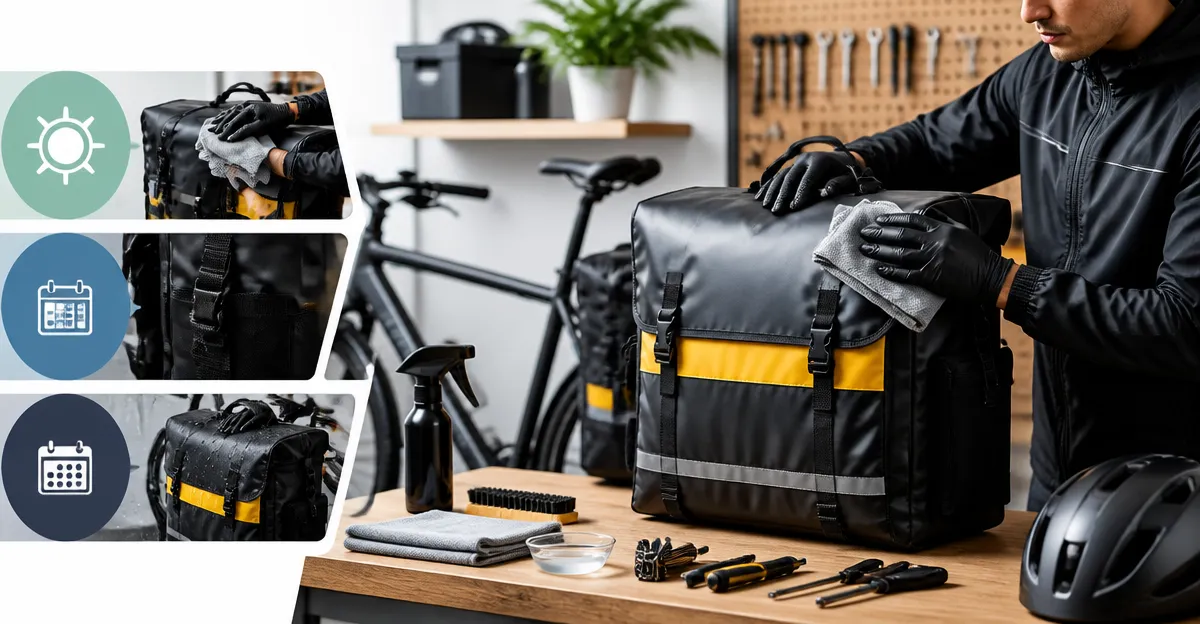
How to Create a Pannier Maintenance Schedule for High‑Frequency Couriers: Daily, Weekly & Monthly Checklist
Introduction
The modern courier relies on a reliable pannier system to transport packages, tools, and personal items throughout a demanding workday. This guide explains how to develop a systematic maintenance schedule that preserves pannier performance, prevents water intrusion, and extends the lifespan of the equipment. By following the daily, weekly, and monthly checklists, a courier can avoid unexpected failures, maintain a professional appearance, and ensure that every delivery proceeds without interruption.
Readers will learn which inspection points are critical, which cleaning methods are safe for different materials, and how to apply lubrication and hardware tightening techniques. The guide also integrates carefully selected Amazon products that serve as practical tools for each maintenance phase. Although the procedures can be performed without purchasing new items, the recommended products provide efficiency and durability that benefit high‑frequency users.
What You’ll Need
- Cleaning cloths and mild soap
- Soft‑bristle brush
- Water‑resistant lubricant
- Adjustable wrench or hex key set
- Replacement rain cover (optional)
- Inspection flashlight
- Secure mounting hardware
The following products are suggested because they align with the requirements of a courier who handles panniers multiple times per day.
Step‑by‑Step Instructions
Step 1: Daily Visual Inspection and Quick Clean
Each morning, before loading the first package, the courier should perform a rapid visual inspection. Look for visible debris, water pooling, and any loose straps. A quick wipe with a damp cloth removes dust that could wear zipper teeth over time.
For couriers who need a waterproof solution that also offers a reflective safety element, the KEMIMOTO 34L Bike Pannier Bag provides an integrated rain cover and reflective strip. Its 600D PVC fabric repels moisture, and the smooth zipper reduces the risk of snagging during rapid loading. Price is $28.79 and it holds a rating of 4.4 out of 5 stars from 2,495 reviews, indicating broad satisfaction among cyclists.
- Check the rain‑cover attachment points for wear.
- Ensure the double‑system fasteners are seated securely.
- Verify that the obtuse angle design does not interfere with pedal clearance.
If any strap appears frayed, replace it immediately to avoid loss of cargo during a ride.
Step 2: Weekly Deep Cleaning and Zipper Maintenance
At the end of each work week, remove the panniers from the rack and perform a thorough cleaning. Fill a bucket with lukewarm water and a mild detergent, then submerge a soft‑bristle brush to scrub the exterior fabric. Rinse with clean water and allow the bag to air dry completely before re‑installation.
\nThe MOSISO 20L Waterproof Bike Panniers feature a waterproof polyester material that can be wiped clean without damaging a coating. Priced at $46.54 with a 4.2 rating from 301 reviews, these panniers include a quick‑release buckle that simplifies removal for weekly cleaning.
- Apply a silicone‑based lubricant to the zipper tracks to maintain smooth operation.
- Inspect the metal hooks for corrosion; clean with a cloth dipped in isopropyl alcohol.
- Check the internal compartments for hidden debris that could cause odor buildup.
After cleaning, re‑attach the panniers using the provided hooks and ensure that the quick‑release buckles click firmly into place.
Step 3: Monthly Hardware Tightening and Structural Inspection
Once a month, the courier should remove all panniers and examine the mounting hardware. Use an adjustable wrench or hex key to tighten any bolts that have loosened due to vibration. Verify that the bungee cords on the Bushwhacker Omaha Grocery Panniers remain under adequate tension; these bags rely on a three‑point mounting system that can slip if the bungee loses elasticity. The Bushwhacker set costs $64.95 and carries a 4.5 rating from 1,032 reviews, praised for its sturdy construction and foldable design.
- Inspect the side hooks for metal fatigue; replace if any cracks are visible.
- Examine the internal stiff plates (if present) for dents that could contact wheel spokes.
- Test the reflective strips by shining a flashlight; replace any that have faded.
During this inspection, also verify that the rack itself is free of cracks and that the mounting points on the frame are not stripped.
Step 4: Seasonal Protection and Weatherproof Enhancements
During rainy or snowy seasons, adding a hard‑shell protective layer can prevent water ingress and protect the pannier structure. The JXFUKAL Waterproof Bike Trunk Bag offers a hard EVA shell with a PU coating, providing a rigid barrier against impacts and rain. Priced at $39.99 with a 4.5 rating from 2,006 reviews, this bag includes a rain cover and reflective panels for enhanced visibility.
- Mount the hard‑shell bag on the rear rack using the two buckle straps and Velcro strap.
- Adjust the elastic cord to secure smaller items inside the main compartment.
- Utilize the built‑in shoulder strap for off‑bike transport of tools or groceries.
When the weather improves, the courier may store the hard‑shell bag in a dry location and revert to a lighter pannier for daily use.
Step 5: Capacity Management and Load Distribution
Overloading a pannier can strain the mounting hardware and affect bike handling. The Marscamd 50L Bike Pannier Bag expands to 50 L when the top zipper is opened, allowing the courier to distribute weight evenly across two large compartments. It costs $42.99 and enjoys a 4.4 rating from 163 reviews, noted for its multiple pockets and leak‑proof interior.
- Place heavier items low and near the bike’s centerline to maintain stability.
- Use side pockets for tools and small accessories to keep the main compartment uncluttered.
- Secure water bottles with the adjustable drawstring to prevent movement on bumpy streets.
By following these load‑distribution guidelines, a courier can reduce stress on the pannier straps and prolong the life of the mounting system.
Tips & Pro Tips
- Carry a small zip‑tie kit to temporarily secure loose straps during an unexpected ride.
- Apply a silicone‑based spray to the reflective strips each month to maintain brightness.
- Store rain covers in a zip‑locked pouch to prevent loss when not in use.
- Use a lightweight, breathable liner inside the pannier for items that may emit moisture, such as wet clothing.
- Schedule a quarterly professional bike check‑up to ensure that the rack itself remains aligned and secure.
Troubleshooting
| Problem | Possible Cause | Solution |
|---|---|---|
| Pannier rattles while riding | Loose fasteners or worn bungee cords | Retighten all straps and replace any bungee that has lost elasticity. |
| Water leaks into the bag | Damaged rain cover or compromised seam | Inspect the rain cover for tears; apply seam sealant or replace the cover. |
| Zipper sticks | Debris in the teeth or dried lubricant | Clean the zipper with a soft brush and apply fresh silicone lubricant. |
| Reflective strip faded | Exposure to UV light | Replace the strip or use a reflective spray designed for fabrics. |
Conclusion
By implementing a disciplined daily, weekly, and monthly maintenance schedule, a high‑frequency courier can safeguard pannier performance, reduce the likelihood of weather‑related damage, and maintain a professional image for clients. The recommended products—KEMIMOTO 34L Bike Pannier Bag, MOSISO 20L Waterproof Bike Panniers, Bushwhacker Omaha Grocery Panniers, JXFUKAL Waterproof Bike Trunk Bag, and Marscamd 50L Bike Pannier Bag—offer specific advantages that align with each maintenance task. Consistent inspection, cleaning, and hardware tightening will extend the service life of the pannier system and contribute to safer, more efficient deliveries.
Products Mentioned in This Guide
Frequently Asked Questions
Why is a regular pannier maintenance schedule important for high‑frequency couriers?
It prevents wear, water intrusion, and unexpected failures, keeping deliveries on time and maintaining a professional appearance.
What are the key daily checks for a courier’s pannier?
Inspect seams for tears, verify fasteners are tight, clear debris, and wipe down surfaces with a mild‑soap cloth.
How often should I lubricate pannier hinges and zippers?
Lubricate hinges and zippers weekly using a silicone‑based spray to ensure smooth operation.
Which cleaning methods are safe for different pannier materials?
Use a damp cloth with mild soap for fabric or nylon panniers, and a soft, dry brush for metal frames to avoid corrosion.
What Amazon tools are recommended for efficient pannier maintenance?
A compact silicone spray, microfiber cleaning cloths, and a lightweight multi‑bit screwdriver set are popular choices for quick upkeep.