Zero‑Waste Bike Grocery Setup: A Practical Guide to Panniers, Baskets & Sustainable Shopping
Introduction
Urban commuters are increasingly turning to bicycles as a primary mode of transportation. One of the most compelling reasons for this shift is the ability to combine mobility with sustainable shopping practices. This guide explains how to equip a bicycle for zero‑waste grocery trips, covering the essential equipment, product recommendations, and best‑practice strategies. Readers will learn how to select panniers, baskets, and reusable grocery bags that together minimise waste while maximising convenience.
The article is organised into clear sections that progress from foundational concepts to detailed product comparisons. It also provides actionable tips, a concise FAQ, and a final summary of key takeaways. By the end of the guide, one will possess a complete, ready‑to‑use bike grocery system that aligns with environmental goals.
Background and Context
Zero‑waste shopping relies on eliminating single‑use packaging, especially plastic grocery bags, in favour of durable, reusable alternatives. Bicycles, by virtue of their cargo capacity and maneuverability, serve as an ideal platform for transporting these reusable containers. Understanding the load‑bearing limits of a bike, the types of cargo accessories available, and the material properties of reusable bags is essential for a safe and efficient setup.
Most city‑grade bicycles can safely carry between 30 and 50 pounds of cargo without compromising handling. Load distribution is critical; heavier items should be placed low and centred to preserve stability. Additionally, the choice of bag material—such as polypropylene non‑woven fabric—affects durability, water resistance, and ease of cleaning, all of which influence the overall sustainability of the system.
Choosing the Right Bike Carrying System
Bike cargo accessories fall into three primary categories: panniers, front or rear baskets, and modular bag systems. Each category offers distinct advantages depending on the rider’s route, cargo volume, and personal preferences. The following subsections examine these options in detail and recommend products where they add tangible value.
Panniers
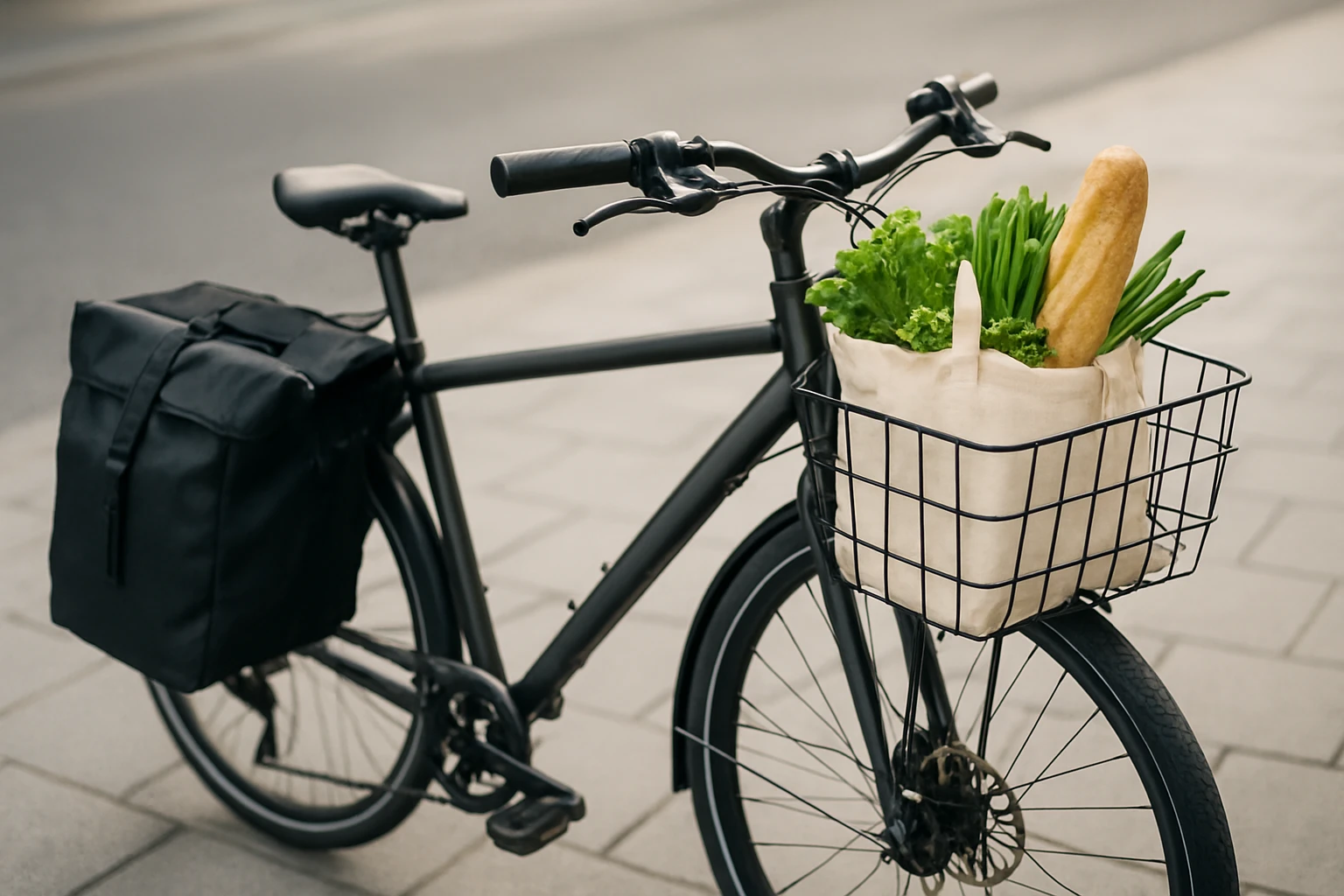
Panniers attach to a bike’s rack and provide a sealed, weather‑protected compartment. They excel for grocery trips that involve heavier or bulkier items such as milk cartons, produce crates, or canned goods. When selecting panniers, consider the internal volume, mounting system, and the material’s resistance to abrasion.
For cyclists who already own a rear rack, a set of waterproof panniers with a capacity of at least 20 L per side is advisable. Look for reinforced stitching and a hard bottom to prevent items from shifting during transit. Panniers that feature reflective accents enhance visibility in low‑light conditions, contributing to rider safety.
Baskets
Front or rear baskets are open‑frame containers that allow quick access to items. They are particularly useful for short trips where the rider needs to grab a bag of fruit or a bottle of water without removing the entire cargo system. Baskets made from steel or aluminium provide structural rigidity while keeping weight relatively low.
When using a basket, it is important to secure loose items with bungee cords or mesh nets to avoid spillage. A basket with a shallow depth works well for flat items, while a deeper basket accommodates stacked boxes. Adding a removable liner—such as a reusable grocery tote—can protect the basket’s surface and simplify cleaning.
Modular Bag Systems
Modular bag systems consist of detachable bags that clip onto a rack or sit within a basket. They combine the weather‑proof benefits of panniers with the flexibility of a bag that can be removed for indoor use. Many cyclists pair these systems with heavy‑duty reusable grocery bags to create a seamless zero‑waste workflow.
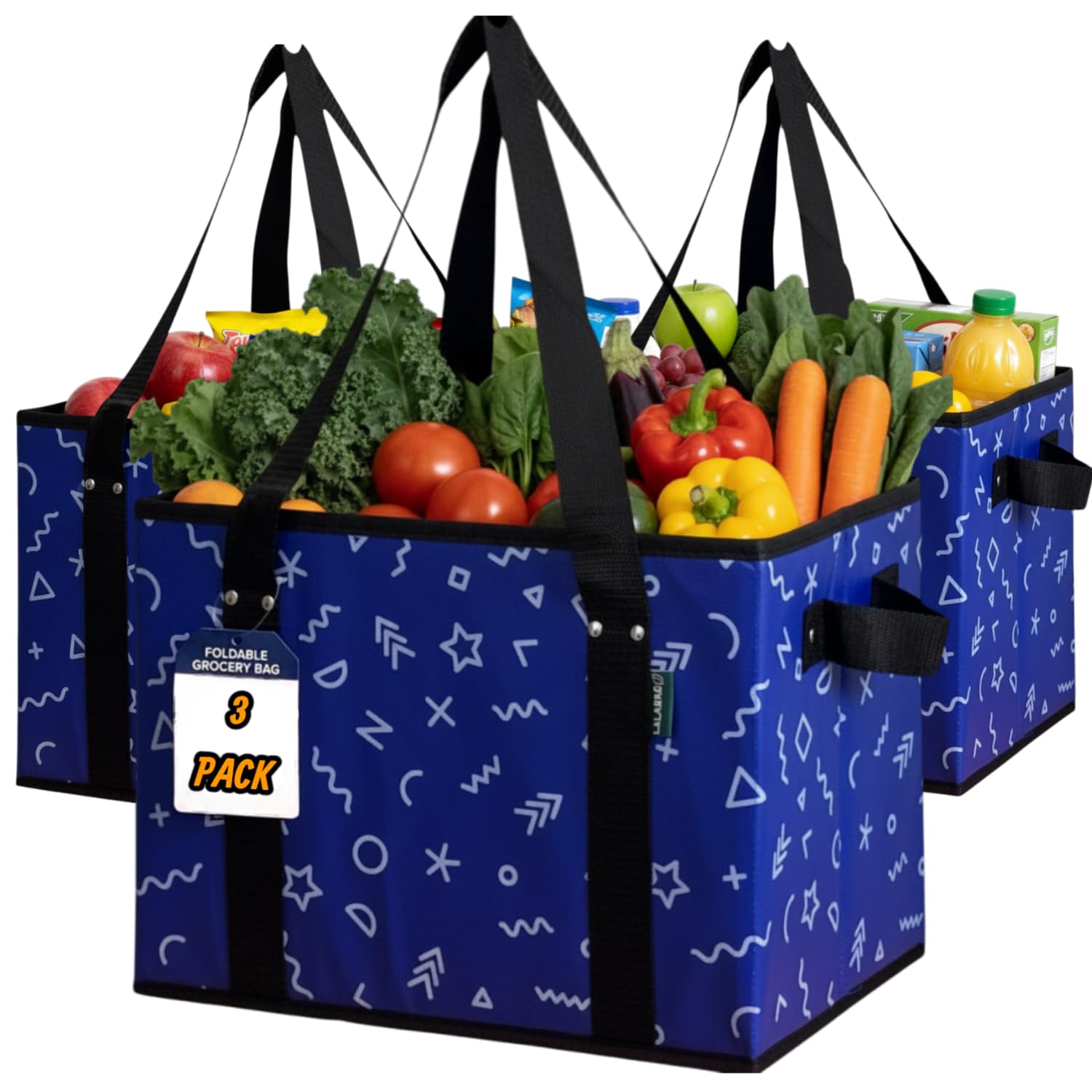
Two reusable grocery bags stand out for their durability and eco‑friendly credentials. The first is the LALABAG Heavy Duty Grocery Tote. This 3‑pack set is constructed from thick polypropylene non‑woven fabric, supports up to 65 lb per bag, and features reinforced long handles for comfortable shoulder carry. Its stiff sides and hard bottom enable the bag to stand upright, preventing items from toppling over in a bike trunk or basket.
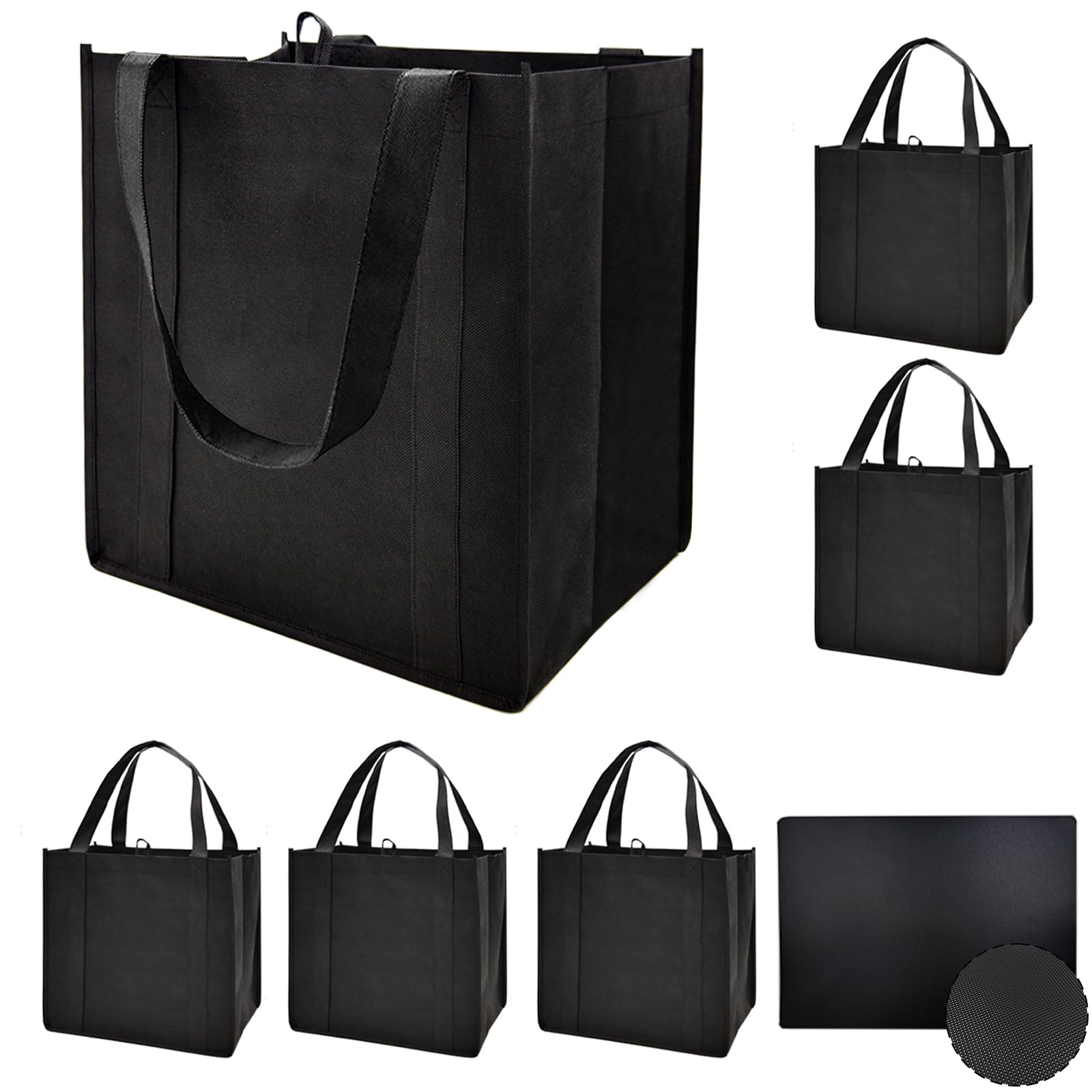
The second option is the HorYg Reinforced Grocery Bags. This 6‑pack offers a slightly lower load capacity of 45 lb per bag but includes a detachable thick plastic bottom insert that adds structural support. The X‑shaped stitching on the handles provides extra strength, and the bags are machine‑washable for easy maintenance.
Integrating Reusable Grocery Bags with Bike Cargo
To achieve a truly zero‑waste grocery routine, the reusable bags must be incorporated directly into the bike’s cargo system. The following workflow demonstrates how to load, transport, and unload groceries efficiently.
- Place the LALABAG Heavy Duty Grocery Tote or HorYg Reinforced Grocery Bag inside the pannier or basket before departure.
- Load heavier items—such as canned goods or dairy products—into the bottom of the tote to keep the centre of gravity low.
- Arrange lighter, more fragile items—such as bread or fresh produce—on top, ensuring they are protected by the bag’s upright design.
- Secure the tote’s handles to the basket’s side rails using zip ties or a bungee cord to prevent shifting during the ride.
- After shopping, remove the tote from the bike, close any zippered compartments, and fold the bag flat for storage at home.
This process reduces the need for disposable plastic bags, cuts down on packaging waste, and keeps the bike’s load balanced. Because both featured bags are water‑resistant, they also protect groceries from rain, a common concern for cyclists in variable climates.
Comparison and Selection Guide
| Feature | LALABAG Heavy Duty Grocery Tote (3 Pack) | HorYg Reinforced Grocery Bags (6 Pack) |
|---|---|---|
| Material | Thick polypropylene non‑woven fabric | Recyclable polypropylene non‑woven fabric |
| Maximum Load per Bag | 65 lb (≈29 kg) | 45 lb (≈20 kg) |
| Bottom Reinforcement | Hard bottom panel for upright stability | Detachable thick plastic bottom insert |
| Handle Design | Long reinforced straps for over‑the‑shoulder carry | X‑shaped stitching on handles for extra strength |
| Cleaning Method | Hand‑wash; water‑resistant surface | Machine‑washable (hand wash recommended) |
| Price (USD) | $26.99 | $16.99 |
| Amazon Rating | 4.6/5.0 (225 reviews) | 4.6/5.0 (166 reviews) |
Both products are highly rated and meet the durability requirements for bike grocery transport. The LALABAG tote offers a higher load capacity and a rigid bottom that keeps the bag upright without additional inserts. The HorYg bags provide a larger quantity per purchase and feature a removable plastic insert that can be swapped out for cleaning or replacement. The choice between them should be guided by the rider’s typical grocery weight, preferred cleaning routine, and budget.
Best Practices & Tips for Zero‑Waste Bike Grocery Trips
- Plan the route to include shaded or covered bike parking whenever possible, protecting reusable bags from prolonged sun exposure.
- Inspect the bike’s rack and basket before each trip to ensure bolts are tightened and no sharp edges could damage bag fabric.
- Use a waterproof liner inside the tote when transporting items that may leak, such as frozen goods or produce with high moisture content.
- Carry a small roll of reusable produce bags for items that lack their own packaging; these can be stored inside the main tote.
- After each ride, allow the bags to air dry completely before folding, preventing mildew and extending the lifespan of the fabric.
- Rotate the use of the 3‑pack or 6‑pack sets to distribute wear evenly across all bags.
Implementing these practices maximises the environmental benefit of the zero‑waste system while preserving the functional integrity of the bike and its accessories.
Frequently Asked Questions
- 1. How much weight can a typical commuter bike safely carry?
- A standard commuter bike can handle 30‑50 lb of cargo without compromising handling, provided the weight is evenly distributed and centred over the rear wheel.
- 2. Are the featured reusable bags suitable for wet or frozen groceries?
- Both bags are water‑resistant; the LALABAG tote includes a hard bottom that repels moisture, while the HorYg bag’s detachable plastic insert offers an additional barrier for wet items.
- 3. Can I machine‑wash the LALABAG Heavy Duty Grocery Tote?
- The manufacturer recommends hand‑washing to preserve the fabric’s strength, although the bag’s water‑resistant coating can tolerate gentle machine cycles if placed in a laundry bag.
- 4. What is the environmental impact of using polypropylene non‑woven bags?
- Polypropylene is a recyclable polymer; using a reusable bag reduces the consumption of single‑use plastic bags, thereby decreasing landfill waste and resource extraction.
- 5. How do I secure the bags to prevent them from swinging while riding?
- Attach the bag’s handles to the basket’s side rails with zip ties or bungee cords, and position the bag low in the pannier to keep the centre of gravity stable.
- 6. Is there a benefit to using both a pannier and a basket together?
- Combining a pannier for heavy, bulk items with a basket for quick‑access, lightweight goods creates a versatile cargo system that maximises space and convenience.
Conclusion
The integration of sturdy bike cargo accessories with high‑quality reusable grocery bags enables cyclists to conduct zero‑waste shopping trips efficiently. By selecting appropriate panniers or baskets, employing the LALABAG Heavy Duty Grocery Tote or HorYg Reinforced Grocery Bags, and following best‑practice loading techniques, one can reduce reliance on disposable packaging while maintaining a smooth riding experience. The guide has provided the foundational knowledge, product comparisons, and actionable tips necessary for any rider to adopt a sustainable grocery routine.
Adopting this system not only benefits the individual rider but also contributes to broader environmental goals by cutting plastic waste and encouraging active transportation. With careful planning and the right equipment, zero‑waste bike grocery shopping becomes a practical, rewarding habit.
Products Featured in This Guide

LALABAG Heavy Duty Grocery Tote
Price: $26.99
Rating: 4.6/5.0 (225 reviews)
Why featured: Provides a 65 lb load capacity, hard bottom, and upright design that keep groceries stable in bike panniers or baskets, making it ideal for zero‑waste grocery trips.

HorYg Reinforced Grocery Bags
Price: $16.99
Rating: 4.6/5.0 (166 reviews)
Why featured: Offers a detachable thick plastic bottom and X‑shaped handle stitching, providing extra strength and flexibility for cyclists who prefer a machine‑washable, modular bag system.