
How to Fit Panniers with Child Seats: The Ultimate Guide to Compatibility, Safety & Installation
Introduction
The modern commuter often requires both cargo capacity and child‑transport capability on a single bicycle. This guide explains how to evaluate compatibility, select appropriate panniers, and install them alongside a child seat without compromising safety. Readers will learn essential terminology, step‑by‑step installation techniques, and best‑practice tips for daily use. By the end of this article one will be equipped to make informed purchasing decisions and achieve a secure, balanced riding experience.
Background and Context
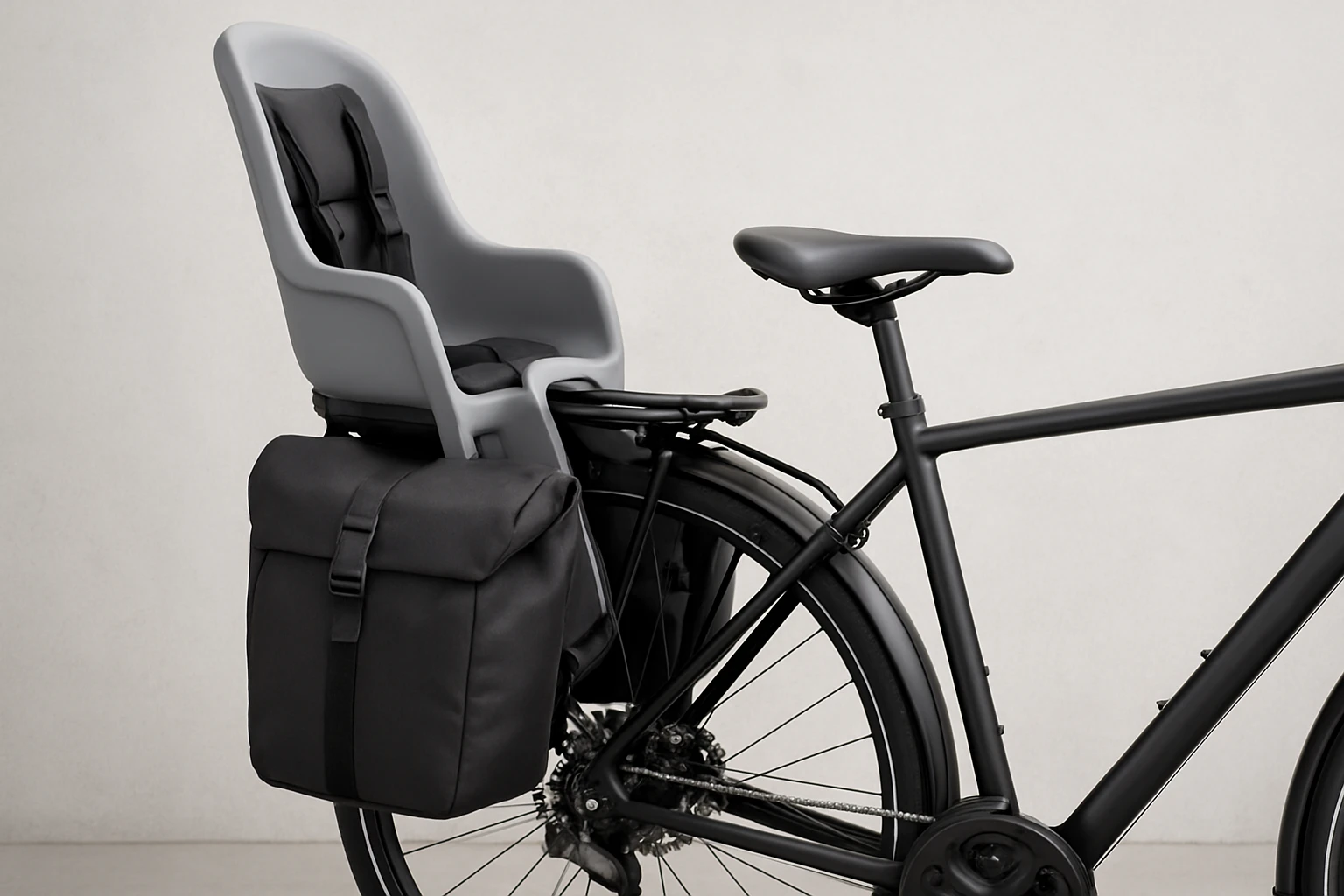
Bike panniers are containers that attach to the rear rack, providing storage for groceries, tools, or work equipment. Child seats, whether front‑mounted or rear‑mounted, attach to the same rack or to the frame, introducing additional load and geometric considerations. The combined weight distribution influences handling, braking efficiency, and rider comfort. Understanding the load path, rack specifications, and clearance requirements is therefore essential before attempting a dual‑fit configuration.
Key Concepts for Compatibility
Rack Load Capacity
Every rear rack lists a maximum static load, typically ranging from 20 kg to 35 kg. When adding a child seat, the manufacturer usually specifies a weight limit for the child plus the seat itself. The remaining capacity must accommodate the pannier weight. Exceeding the rack’s rating can lead to frame fatigue or sudden failure.
Mounting Systems
Most panniers use a combination of strap loops, buckles, and sometimes a rigid frame that clips onto the rack’s crossbars. Child seats may employ a quick‑release clamp or a bolt‑on system. Compatibility is achieved when both devices share the same attachment points or when the pannier’s straps can be routed around the seat’s mounting hardware without interference.
Clearance and Wheel Contact
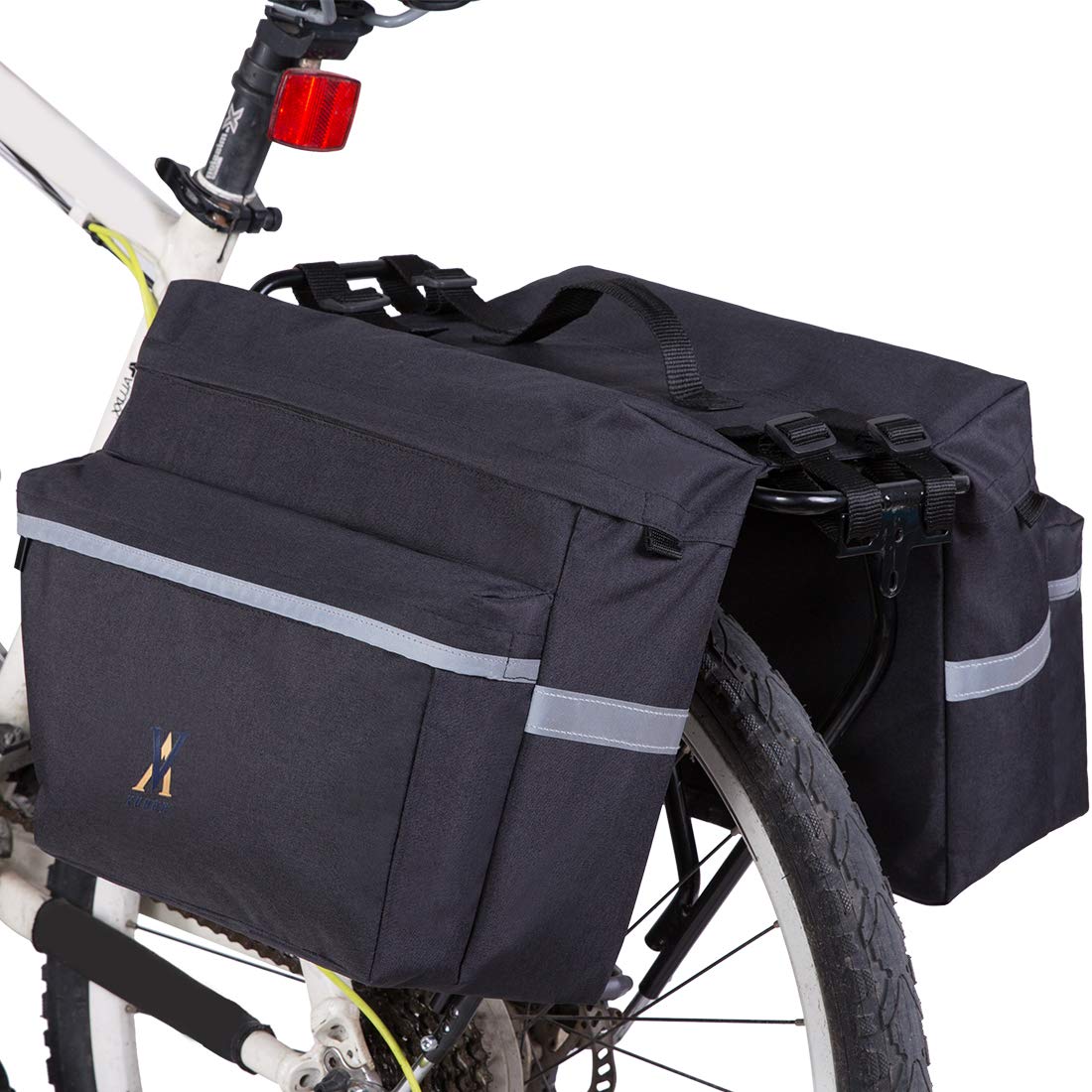
Large panniers can extend outward and potentially strike the rear wheel, especially on narrow tires. Many designs incorporate reflective strips or protective flaps to mitigate this risk. When a child seat is present, the pannier’s side pockets should not obstruct the seat’s safety harness or the child’s leg clearance.
Product Recommendations
Two budget‑friendly panniers meet the criteria for most standard rear racks and provide features that enhance safety when paired with a child seat.
- BAIGIO Waterproof Bike Panniers – Priced at $26.99, this 25 L set offers 300D polyester construction, waterproof PU coating, and large reflective tapes for night visibility. It includes four Magictape straps that secure the bags to the rack and prevent roll‑into‑wheel movement. With a 4.3‑star rating from 288 reviews, users praise its durability and ease of installation.
- Vuudh 30L Bike Pannier Bag – Priced at $22.99, this model provides a slightly larger 30 L capacity, water‑resistant fabric, and a bevel‑design middle connector that reduces wheel rub. Reflective trim on both sides improves visibility, and the front pocket offers quick access to small items. It holds a 4.3‑star rating from 929 reviews, indicating strong customer satisfaction.
Both products are compatible with standard rear racks that feature a horizontal crossbar and vertical supports. Their strap systems allow the pannier to be positioned either in front of or behind a rear‑mounted child seat, depending on rider preference.
Installation Guide
Step 1: Verify Rack Strength
Consult the rack’s specifications to confirm that the combined weight of the child (including seat) and fully loaded pannier does not exceed the maximum load. For example, a rack rated at 30 kg can safely carry a 15 kg child seat and a 10 kg pannier, leaving a margin for additional items.
Step 2: Attach the Child Seat
Follow the seat manufacturer’s instructions to clamp the seat onto the rack’s crossbar. Ensure the seat’s mounting bolts are tightened to the recommended torque and that the harness is correctly positioned on the seat base. Verify that the seat’s rear edge does not extend beyond the rack’s outermost point.
Step 3: Position the Pannier
Place the pannier on the rack so that its bottom sits flush against the rack’s surface. Use the Magictape straps (BAIGIO) or the integrated buckles (Vuudh) to pull the bag tightly against the rack, then secure the straps under the crossbar. Adjust the side straps to keep the pannier from rolling toward the wheel during motion.
Step 4: Check Clearance
Spin the rear wheel by hand while observing the pannier’s side pockets. If any fabric contacts the tire, reposition the bag or tighten the side straps further. The bevel design of the Vuudh model often eliminates this issue without additional adjustment.
Step 5: Test Ride
Take a short test ride on a flat surface, listening for any rattling or shifting. Verify that the child seat remains stable and that the pannier does not sway. After the ride, re‑tighten all straps to compensate for any stretch that occurred during motion.
Comparison and Selection Guide
| Feature | BAIGIO Waterproof Bike Panniers | Vuudh 30L Bike Pannier Bag |
|---|---|---|
| Capacity | 25 L (2 × 12.5 L) | 30 L (2 × 15 L) |
| Material | 300D polyester with waterproof PU coating | Water‑resistant polyester |
| Reflective Elements | Large reflective tapes on both sides | Reflective trim on both sides |
| Mounting Straps | 4 × Magictape straps under connection, 1 × per side for wheel protection | Integrated buckles with bevel‑design middle connector |
| Price | $26.99 | $22.99 |
| Rating | 4.3 / 5 (288 reviews) | 4.3 / 5 (929 reviews) |
Choosing between the two depends on capacity needs, budget, and personal preference for strap design. Riders who prioritize a rigid frame and multiple securing straps may favor the BAIGIO option, while those seeking a slightly larger volume and a sleek bevel connector might select the Vuudh model.
Best Practices & Tips
- Distribute weight evenly between left and right pannier compartments to maintain balanced handling.
- Secure any loose items inside the bag with internal straps or zip‑lock bags to prevent shifting during sudden stops.
- Inspect the rack, straps, and seat mounting hardware weekly for signs of wear, corrosion, or looseness.
- When riding in rain, engage the extra rain cover supplied with the BAIGIO pannier to protect both cargo and child‑seat padding.
- Use the reflective strips on both the pannier and the child seat to enhance visibility in low‑light conditions.
- Avoid over‑loading beyond the rack’s rated capacity; excess weight can increase braking distance and cause frame fatigue.
Frequently Asked Questions
Can I install a front‑mount child seat with a rear pannier?
Yes, a front‑mount seat does not interfere with rear‑rack panniers, provided the front fork has sufficient clearance for the seat’s mounting bracket.
Will the pannier’s side pockets rub against the rear tire?
The BAIGIO model includes protective straps that keep the bag from rolling into the wheel, while the Vuudh’s bevel‑design middle connector reduces lateral movement, minimizing tire contact.
Is the waterproof coating sufficient for heavy rain?
Both bags feature water‑resistant fabrics; the BAIGIO includes an additional removable rain cover that offers extra protection during prolonged exposure.
How much additional weight can a standard rear rack support?
Most mid‑range racks support 30 kg to 35 kg total. Always verify the specific rating on the rack’s label before exceeding this limit.
Do I need to adjust the child seat’s harness after installing panniers?
After installation, check that the harness remains snug and that the seat’s pivot points have not shifted. Re‑tighten the harness if necessary before each ride.
Can I use both panniers simultaneously with a rear child seat?
Yes, provided the combined load remains within the rack’s capacity and the side straps are correctly tightened to prevent interference with the wheel.
Conclusion
Fitting panniers with a child seat requires careful assessment of rack capacity, mounting compatibility, and clearance. By selecting reliable products such as the BAIGIO Waterproof Bike Panniers or the Vuudh 30L Bike Pannier Bag, riders can achieve a harmonious balance of cargo space and child‑transport safety. Following the installation steps, adhering to best‑practice tips, and performing regular maintenance will ensure a secure and comfortable riding experience for both adult and child.
Products Featured in This Guide
BAIGIO Waterproof Bike Panniers
Price: $26.99
Rating: 4.3/5 (288 reviews)
Featured for its durable 300D polyester construction, waterproof PU coating, reflective safety strips, and robust Magictape strap system that secures the bag on a rear rack alongside a child seat.
Vuudh 30L Bike Pannier Bag
Price: $22.99
Rating: 4.3/5 (929 reviews)
Featured for its larger 30 L capacity, water‑resistant fabric, bevel‑design connector that reduces wheel rub, and reflective trim that enhances visibility when paired with a child seat.