How to Care for and Maintain Wicker Bike Baskets: Simple Cleaning, Repair & Protection Tips
Introduction
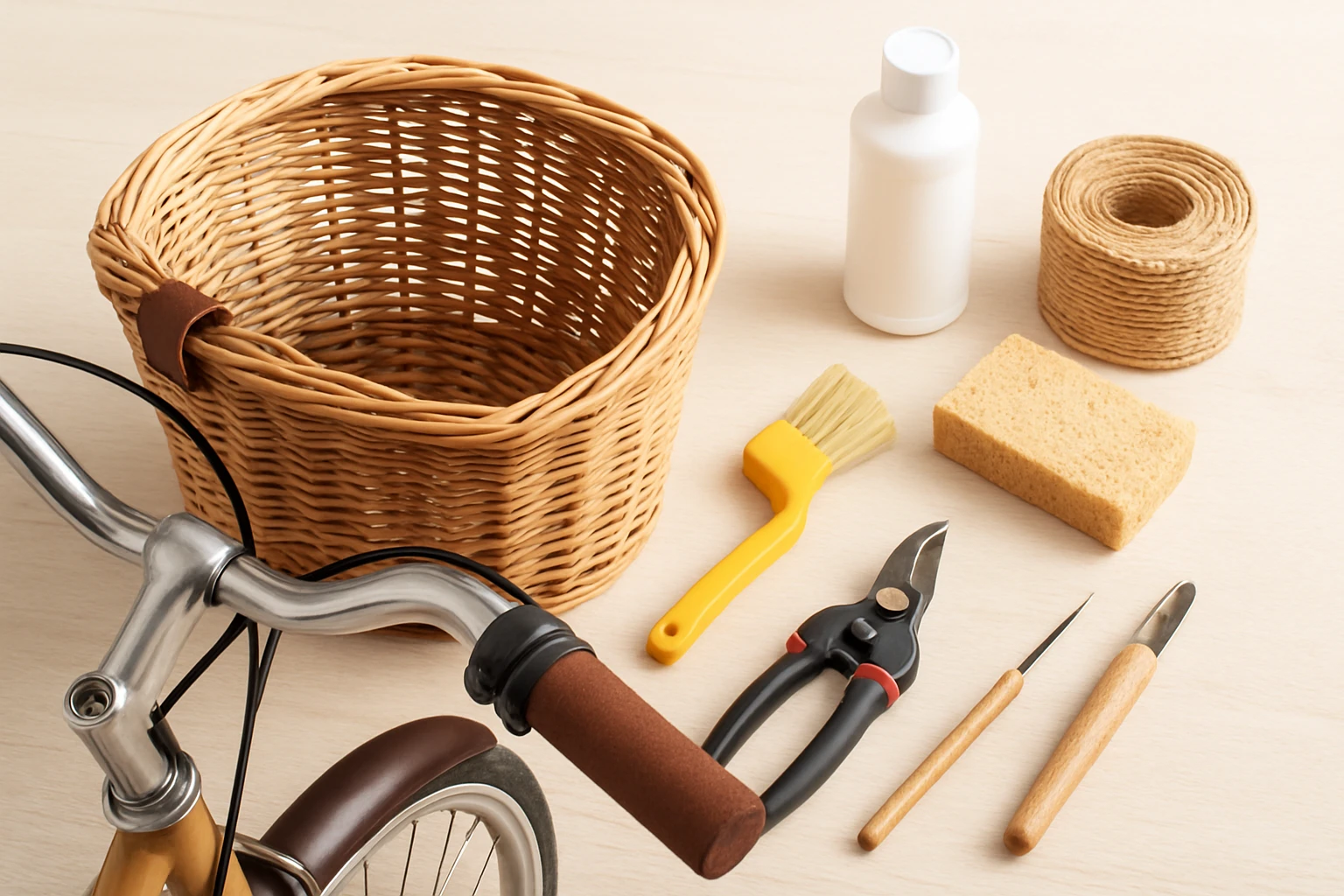
Wicker bike baskets add charm and practicality to any bicycle, yet exposure to weather, dust, and everyday wear can diminish their appearance over time. This guide explains how to clean, repair, and protect wicker baskets so they remain functional and attractive for years. Readers will learn practical steps, essential tools, and professional tips that apply to a range of wicker styles. By following these instructions, cyclists can avoid costly replacements and enjoy a basket that looks as fresh as the day it was purchased.
What You’ll Need
- A soft-bristle brush or microfiber cloth
- Mild dish soap or a dedicated wicker cleaner
- Water in a spray bottle
- Absorbent towels
- Wicker conditioning oil or spray
- Repair kit (adhesive, replacement wicker strips)
- Qivine Cleaning Caddy for organized transport of supplies
Step 1: Remove Loose Debris
The first step in any maintenance routine is to eliminate loose dirt, leaves, and sand that can scratch the wicker surface. Use a soft‑bristle brush to sweep the basket gently, paying special attention to the handles and strap attachment points. For a quick visual check, place the basket on a flat surface and shake it lightly to dislodge hidden particles. This preparation prevents abrasive particles from causing micro‑scratches during the washing phase.
Step 2: Gentle Cleaning
Mix a few drops of mild dish soap with warm water in a spray bottle, then mist the entire basket lightly. Avoid soaking the wicker, as excessive moisture can weaken the plastic fibers over time. Using a microfiber cloth, wipe the surface in circular motions, allowing the soap to lift grime without stripping the material’s natural sheen. For baskets with intricate weave patterns, the CXWXC Wicker Bike Basket demonstrates how a gentle approach preserves both aesthetics and structural integrity.
Key features of the CXWXC basket that illustrate proper care include its high‑fidelity plastic wicker, which is smooth, strong, and weather‑resistant. Priced at $25.63 with a 4.2‑star rating from 39 reviews, it offers a reliable example of durable wicker that responds well to mild cleaning agents.
Step 3: Thorough Drying
After cleaning, immediate drying is essential to prevent water from seeping into the weave and causing mold or deformation. Pat the basket dry with absorbent towels, then place it in a well‑ventilated, shaded area for at least two hours. Do not expose the basket to direct sunlight while wet, as UV rays can accelerate fading of the plastic fibers. For cyclists who need a portable drying solution, the ZUKKA Woven Bike Basket offers a waterproof construction that dries quickly after a rain shower.
The ZUKKA basket features eco‑friendly imitation rattan plastic, a waterproof performance, and a weight of only 1.05 pound, making it easy to handle during drying. It is priced at $25.99 and holds a 4.6‑star rating from 1,049 reviews, reflecting strong customer confidence in its durability.
Step 4: Conditioning and Protection
Conditioning restores flexibility to the wicker fibers and creates a protective barrier against UV radiation and moisture. Apply a thin layer of wicker conditioning oil or spray, working it into the weave with a soft cloth until the surface glistens evenly. Allow the conditioner to cure for 30 minutes before using the basket again. This step extends the basket’s lifespan by preventing cracks and fading.
For a premium example of a basket that benefits from conditioning, consider the GRANNY SAYS Rattan Bike Basket. Its natural rattan look is enhanced by conditioning, and its built‑in cup holder adds functional value. Priced at $51.99 with a 4.6‑star rating from 79 reviews, it demonstrates how higher‑end wicker can retain its elegance with proper care.
Step 5: Repair Minor Damage
Inspect the basket for loose strands, cracks, or broken handles before each ride. Small gaps can be repaired with a specialized wicker adhesive that bonds plastic fibers without stiffening them. Apply the adhesive sparingly to the damaged area, press the strands together, and let it set for the manufacturer’s recommended time. For handle repairs, replace broken straps with matching leather or synthetic alternatives to maintain load‑bearing capacity.
When replacing or reinforcing handles, the sturdy leather straps that come with the CXWXC basket serve as a useful reference. Their adjustable design ensures a secure fit on various bike frames, and they illustrate how quality hardware can be swapped without compromising aesthetics.
Step 6: Proper Storage
Storing the basket in a dry, temperature‑controlled environment protects it from extreme heat and humidity. If space is limited, fold the basket gently and place it inside a protective bag; the Qivine Cleaning Caddy offers a convenient compartment to keep the basket and its accessories together.
The Qivine caddy, priced at $16.27 with a 4.5‑star rating from 118 reviews, features a foldable design, waterproof interior, and sturdy EVA‑padded handle, making it ideal for transporting cleaning tools and a folded basket on trips or to the garage.
Tips & Pro Tips
- Avoid harsh chemicals such as bleach or ammonia, which can degrade plastic wicker fibers.
- Use a UV‑protective spray in sunny climates to minimize fading.
- Periodically check strap tension to prevent slippage during rides.
- When cleaning on the go, keep a small bottle of mild soap and a microfiber cloth in the Qivine Cleaning Caddy for quick touch‑ups.
Troubleshooting
Problem: The wicker feels stiff after cleaning.
Solution: Apply additional conditioner and allow it to soak for five minutes before wiping off excess. This restores flexibility without over‑softening the material.
Problem: Cracks appear along the handle edges.
Solution: Reinforce the handle with a replacement leather strap, ensuring the new strap matches the original width for even load distribution.
Conclusion
Maintaining a wicker bike basket involves regular cleaning, careful drying, conditioning, and occasional repairs. By following the outlined steps and using the recommended tools, cyclists can preserve the basket’s visual appeal and functional strength. The highlighted products illustrate practical solutions that complement each maintenance phase. With consistent care, a wicker basket will continue to enhance rides, carry groceries, and add a touch of vintage charm for many seasons to come.
Products Mentioned in This Guide
Frequently Asked Questions
How often should I clean my wicker bike basket?
Clean the basket every 1–2 weeks or after heavy rain to prevent dirt buildup and moisture damage.
What is the safest method to remove dirt without damaging the wicker?
Use a soft‑bristle brush or microfiber cloth with mild dish soap and a spray bottle of water, then wipe gently.
Can I use regular household cleaners on wicker baskets?
Only mild dish soap or a dedicated wicker cleaner; harsh chemicals can weaken the fibers.
How do I repair a cracked or broken wicker strip?
Apply a wicker‑specific adhesive from a repair kit and insert a matching replacement strip, holding until the glue cures.
What product helps protect wicker from weather and UV damage?
Apply a wicker conditioning oil or spray after cleaning to seal the fibers and repel moisture and sunlight.