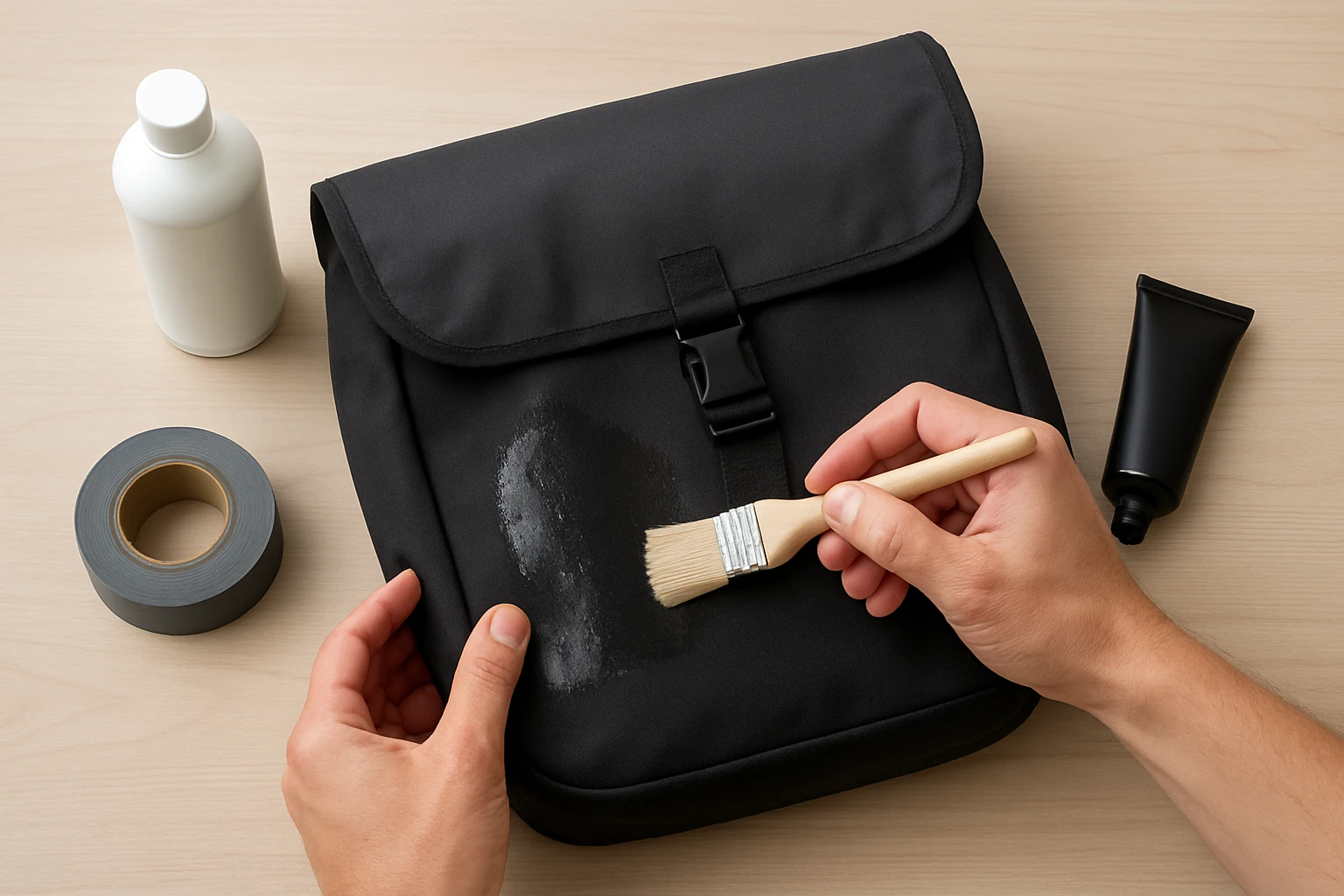
How to Waterproof Panniers: DIY Treatments to Reproof, Seal Seams & Protect Your Bike Bags from Rain
Introduction
In this guide one will discover how to restore water resistance to bicycle panniers, how to seal vulnerable seams, and how to apply protective coatings that endure daily riding. The process is valuable for commuters, tourers and weekend adventurers who rely on their bags to keep equipment dry. By following the instructions one can extend the service life of existing panniers and avoid costly replacements. The guide balances practical detail with professional insight for an intermediate audience.
What You’ll Need
- Soft‑bristle brush or lint‑free cloth for cleaning
- Mild soap or bike‑specific cleaner
- Seam sealer suitable for 600D Oxford or PVC‑coated fabrics (e.g., a silicone‑based marine sealant)
- Water‑repellent spray or fabric coating (urethane or fluoropolymer based)
- Protective gloves and a well‑ventilated workspace
- Optional tools: KEMIMOTO 34L Waterproof Bike Panniers – useful for testing the effectiveness of your treatment
- Optional backup bag: ROCKBROS 30L Bike Rear Panniers – offers a fully waterproof reference model
Step 1: Assess the Current Waterproofing
The first step is to determine whether the pannier already possesses a rain cover or a water‑resistant coating. Inspect the bag for visible seams, zip closures and any existing fabric treatments. Conduct a simple water test by sprinkling a few drops on the interior and observing whether water beads or is absorbed. If the bag absorbs moisture, reproofing is required. Using the KEMIMOTO 34L Waterproof Bike Panniers as a benchmark can illustrate the difference between a properly sealed bag and one that needs attention. The KEMIMOTO model features a dedicated rain cover, 600D Oxford fabric with a PVC layer, a total capacity of 34 L, a price of $35.99, and a rating of 4.4 stars from 2,383 reviews.
Step 2: Clean the Fabric Thoroughly
Before applying any sealant, the fabric must be free of dust, grease and residue that could inhibit adhesion. Mix a small amount of mild soap with lukewarm water and dip a soft‑bristle brush or lint‑free cloth into the solution. Gently scrub the exterior and interior surfaces, paying special attention to seams, zip tracks and the rain‑cover pocket. Rinse with a clean damp cloth and allow the bag to air dry completely in a shaded area. Proper cleaning ensures that the subsequent sealant forms a uniform bond, preventing future water ingress.
Step 3: Apply a Seam Sealer
Seams represent the most common entry points for water. Use a silicone‑based marine seam sealer, which remains flexible and adheres well to 600D Oxford and PVC‑coated fabrics. Apply a thin bead of sealant along each stitched line, using a disposable applicator or a fingertip gloved in a disposable glove. Smooth the sealant with a spatula or a gloved finger to eliminate air bubbles. Allow the sealant to cure according to the manufacturer’s instructions, typically 24 hours. This step creates a continuous barrier that prevents water from traveling along stitch holes.
Step 4: Add a Protective Fabric Coating
After the seams have cured, apply a water‑repellent spray to the entire exterior surface. Choose a coating that is compatible with nylon, polyester or Oxford fabrics; many bicycle‑specific sprays contain urethane or fluoropolymer compounds that bond without stiffening the material. Hold the spray can about 12 inches from the bag and apply an even mist, covering all panels, side pockets and the rain‑cover flap. Allow the first coat to dry for 30 minutes, then apply a second coat for maximum protection. The coating will cause water to bead and roll off, similar to the performance of the rain cover included with the KEMIMOTO 34L Waterproof Bike Panniers.
Step 5: Reinstall and Perform a Real‑World Test
Once the coating is fully cured, reinstall the pannier onto the bike rack using the double‑system fasteners provided by the manufacturer. Verify that the bag sits at an obtuse angle to avoid heel strikes and that the side hooks secure the bag against bouncing. Ride the bike in a light rain shower or use a garden hose to simulate wet conditions. Check the interior after the ride; if it remains dry, the treatment was successful. If moisture is present, repeat the sealing step on any missed seams.
Tips & Pro Tips
- Work in a well‑ventilated area when using silicone sealants and spray coatings; wear a mask if necessary.
- Do not over‑apply sealant, as excess can harden and create stiff spots that affect bag flexibility.
- For bags that include a removable rain cover, treat the cover separately using the same coating method.
- Store the finished pannier in a cool, dry place when not in use to prolong the protective layer.
- If you own the ROCKBROS 30L Bike Rear Panniers, note that they feature a roll‑top closure and a fully waterproof PVC net, which can serve as a backup during heavy storms.
Troubleshooting
Problem: Water still seeps through zip closures.
Solution: Apply a thin line of sealant directly on the zipper teeth and the surrounding fabric, then re‑coat with the water‑repellent spray.
Problem: The bag becomes stiff after coating.
Solution: Use a fabric softener spray diluted with water on the interior after the coating has cured; this restores pliability without compromising water resistance.
Conclusion
By following these steps one can restore and enhance the waterproof performance of existing panniers, seal vulnerable seams, and apply a durable protective coating. The process is cost‑effective, extends the lifespan of valuable bike accessories, and provides confidence during rainy commutes or long‑distance tours. Remember to test the finished bag under realistic conditions and to maintain the coating with periodic re‑application.
Products Mentioned in This Guide
Frequently Asked Questions
How often should I reapply a waterproof coating to my bike panniers?
Reapply every 3–6 months or after heavy rain exposure, whichever comes first.
Can I use regular silicone sealant on pannier seams?
Use a silicone‑based marine sealant designed for fabrics; household silicone may not bond well.
What is the best way to clean panniers before applying a sealant?
Wipe with a soft brush and mild soap, rinse, then let them dry completely before sealing.
Will waterproof sprays affect the fabric’s breathability?
Urethane or fluoropolymer sprays add water resistance while preserving most breathability, unlike heavy waxes.
How can I test if my DIY waterproofing treatment was successful?
Spray a light mist on the surface; if water beads and rolls off without soaking seams, the treatment worked.