Introduction
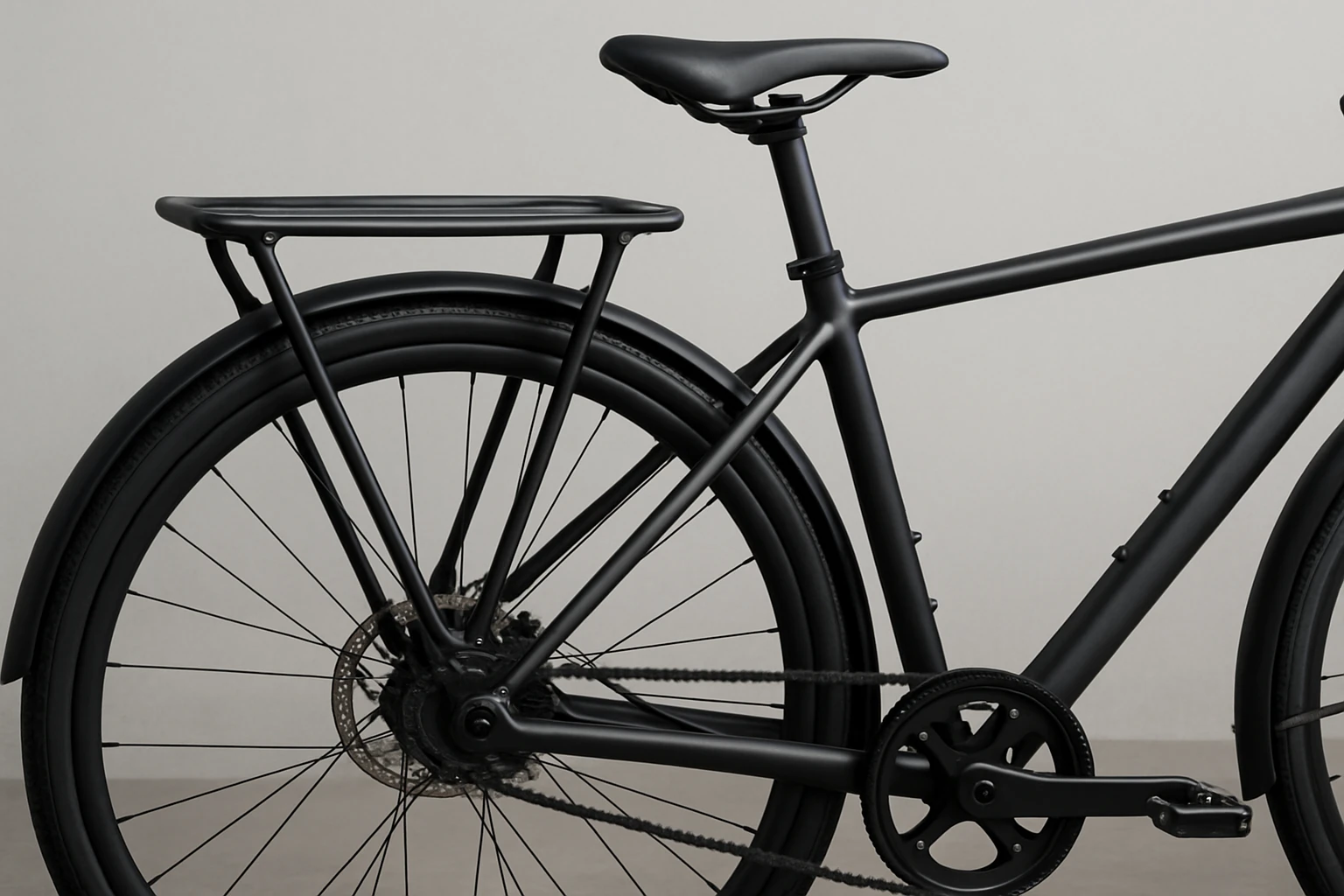
The modern cyclist who uses a belt‑drive system often seeks a rear rack that is both compact and capable of handling daily cargo. This guide explains the essential considerations for selecting a rear rack that fits belt‑drive frames, outlines installation techniques, and reviews two top‑rated models. Readers will learn how to evaluate compatibility, weight capacity, and mounting hardware without compromising the sleek profile of a belt‑drive bike. By the end of the article one will be equipped to make an informed purchase decision.
Background and Context
Belt‑drive bicycles replace traditional chains with a reinforced carbon‑fiber belt, offering lower maintenance and a cleaner appearance. Because the belt runs on a continuous loop, many frames incorporate a rear dropout that lacks a traditional derailleur hanger, which can limit rack mounting options. Understanding the geometry of the seat tube, rear triangle, and the presence of a mounting eyelet is crucial for safe rack installation. Additionally, the distribution of load influences handling, especially on narrow tire setups common to belt‑drive models.
Key Concepts for Compact Rear Racks
Compact rear racks prioritize a low profile, lightweight construction, and a mounting system that does not interfere with the belt tensioner. The first concept is material selection; aluminium alloy provides strength while resisting corrosion, which is important for riders who encounter wet conditions. The second concept is adjustable clamp design, allowing the rack to fit a range of seat‑tube diameters without permanent modifications. The third concept is integrated safety accessories such as reflectors or bungee cords that improve visibility during night rides.
Recommended Product: Kemimoto Rear Bike Rack
The Kemimoto Rear Bike Rack exemplifies these principles. Constructed from premium aluminium alloy, the rack supports up to 220 lb (100 kg) and features a rotating seat‑post clamp that simplifies installation on belt‑drive frames. Its W‑shaped side guards protect panniers from wheel contact, while the included 23.6‑inch bungee cord and rear reflector enhance safety. The rack is compatible with 22‑28 inch bicycles, accommodating a wide variety of belt‑drive geometries.
Recommended Product: CXWXC Rear Bike Cargo Rack
The CXWXC Rear Bike Cargo Rack offers a slightly different approach, focusing on a narrow profile that keeps weight centered. Made from 6061‑T6 aluminium, it can carry up to 60 lb (27 kg) and fits 26‑29 inch wheels as well as 700c tires, making it suitable for many belt‑drive road and touring bikes. The rack includes a mounting eyelet for a reflector and provides ample heel clearance for three panniers. Its adjustable design ensures a secure fit on a variety of seat‑tube diameters.
Comparison and Selection Guide
When choosing between the two models, cyclists should assess three primary criteria: load capacity, mounting flexibility, and accessory integration. Load capacity is decisive for riders who transport groceries, camping gear, or work tools; the Kemimoto rack exceeds 200 lb, whereas the CXWXC rack is limited to 60 lb but remains sufficient for commuter loads. Mounting flexibility is measured by the range of seat‑tube diameters accommodated; both racks cover the common 28‑32 mm range, yet the Kemimoto’s rotating clamp may be easier for quick release. Accessory integration includes built‑in reflectors and bungee cords, features that the Kemimoto provides out of the box, while the CXWXC requires separate reflector attachment.
Table 1 summarizes the key specifications:
| Feature | Kemimoto Rear Bike Rack | CXWXC Rear Bike Cargo Rack |
|---|---|---|
| Maximum Load | 220 lb (100 kg) | 60 lb (27 kg) |
| Material | Aluminium alloy | 6061‑T6 aluminium |
| Seat‑tube Compatibility | 1.1‑1.26 in (28‑32 mm) | 1.1‑1.26 in (28‑32 mm) |
| Included Safety Items | Rear reflector, 23.6‑in bungee cord | Reflector mounting point |
| Price (USD) | $39.99 | $43.23 |
| Average Rating | 4.3 / 5 (103 reviews) | 4.5 / 5 (509 reviews) |
For riders whose primary concern is heavy‑duty cargo, the Kemimoto rack is the logical choice. Conversely, cyclists prioritizing a lightweight, low‑profile solution for daily commuting may prefer the CXWXC rack.
Best Practices & Installation Tips
Proper installation ensures that the rack does not compromise the belt‑drive’s tension or the bike’s handling. Begin by verifying that the seat‑tube diameter falls within the rack’s clamp range; use a caliper if necessary. Position the rack so that the load sits directly over the rear axle, which maintains balance and reduces steering wobble. Tighten the clamp bolts in a star pattern to distribute pressure evenly and avoid crushing the aluminium.
After mounting, attach the bungee cord or strap to secure panniers, and install the reflector at the highest point of the rack for optimal visibility. It is advisable to test the belt tension after the rack is installed, as added weight can affect the belt’s alignment. Finally, conduct a short test ride on a flat surface, checking for any rubbing against the belt or frame, and adjust the rack height if necessary.
Frequently Asked Questions
- Can a rear rack be used on a belt‑drive bike with a carbon frame? Yes, provided the rack’s clamp does not exceed the frame’s maximum clamping force; aluminium racks with padded inserts are recommended.
- Will the rack interfere with the belt tensioner? A properly installed rack with a low profile should clear the tensioner; verify clearance before tightening.
- What is the ideal load distribution for a rear rack? Load should be centered over the rear axle and kept below the manufacturer’s weight limit to preserve handling.
- Do I need additional hardware for mounting? Both featured racks include the necessary bolts and clamps; however, a torque wrench is useful for precise tightening.
- Are the racks compatible with disc brakes? Yes, both models are designed to clear disc brake calipers, but verify that the brake rotor does not contact the rack’s side guards.
- How often should I inspect the rack? Inspect the mounting bolts and clamps after the first 20‑30 miles and then at regular six‑month intervals.
- Can I use the rack for bike touring? The Kemimoto rack’s high load capacity makes it suitable for long‑distance touring, while the CXWXC rack is best for lighter commuter loads.
Conclusion
Compact rear racks for belt‑drive bicycles combine practicality with the clean aesthetic that riders value. By understanding material strength, mounting mechanisms, and load distribution, cyclists can select a rack that meets their specific cargo needs. The Kemimoto Rear Bike Rack provides superior load capacity and integrated safety features, whereas the CXWXC Rear Bike Cargo Rack offers a lightweight, low‑profile alternative for everyday commuting. Applying the installation best practices outlined in this guide will ensure a secure fit and maintain the performance of the belt‑drive system.
Products Featured in This Guide
Kemimoto Rear Bike Rack
Price: $39.99 | Rating: 4.3/5 (103 reviews)
Featured for its 220 lb load capacity, rotating clamp for quick installation, and built‑in bungee cord and reflector that enhance safety on belt‑drive bikes.
CXWXC Rear Bike Cargo Rack
Price: $43.23 | Rating: 4.5/5 (509 reviews)
Featured for its narrow aluminium design, 60 lb capacity suitable for commuter loads, and compatibility with a wide range of wheel sizes and brake types.