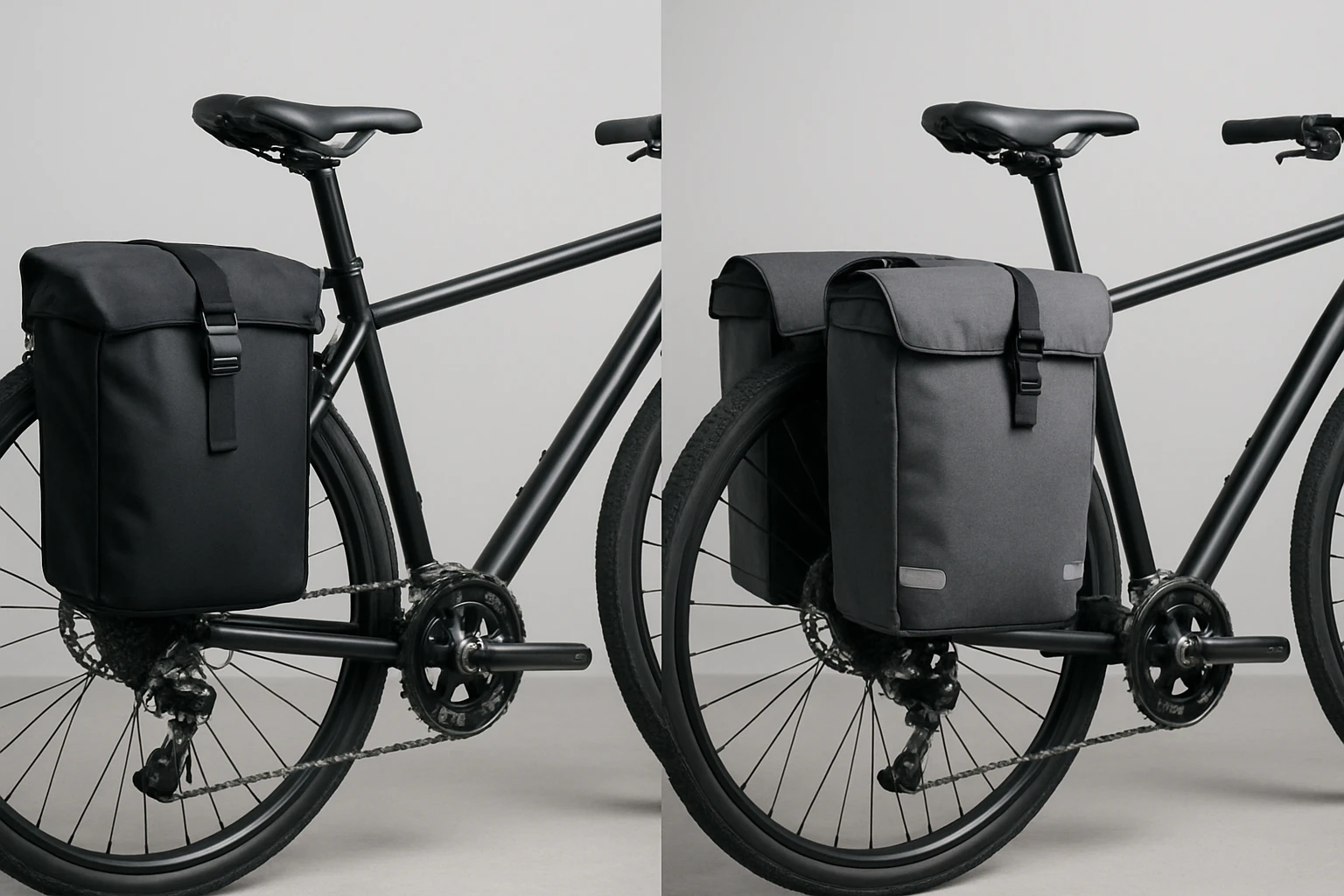
Introduction
This guide examines the fundamental differences between single‑sided and double‑sided bike panniers, focusing on balance, stability, and efficient packing strategies. Readers will learn how each configuration influences ride dynamics, how to select the appropriate system for specific cycling scenarios, and which products deliver the best performance in real‑world use. By the end of the article, cyclists will possess a clear decision‑making framework and actionable tips for safe, comfortable cargo transport.
Background and Context
Bike panniers are auxiliary bags mounted on a rear rack or front rack to expand a bicycle's carrying capacity. Historically, single‑sided panniers originated as simple saddle bags that attach to one side of the rack, while double‑sided panniers consist of a pair of bags that mirror each other on both sides. The choice between these configurations affects the center of gravity, load distribution, and aerodynamic drag. Understanding these principles is essential for cyclists who commute, tour, or undertake bikepacking adventures.
Key technical terms include:
- Center of gravity (CG): The point at which the total weight of the bicycle and its load balances.
- Roll stability: The bicycle's resistance to tipping sideways during cornering.
- Load capacity: The maximum weight a pannier can safely carry, typically expressed in kilograms.
Modern pannier designs incorporate waterproof fabrics, reflective elements, and quick‑release mounting hardware to address weather exposure, visibility, and ease of installation.
Understanding Single‑Sided Panniers
Single‑sided panniers attach to one side of a rear rack, leaving the opposite side free for accessories such as a water bottle holder or a child seat. This configuration offers several advantages:
- Reduced overall weight on the bike, which can improve climbing efficiency.
- Simplified mounting process, often requiring only a single set of hooks and straps.
- Flexibility to use the empty side for additional gear or to balance an asymmetric load.
However, a single‑sided bag creates an uneven mass distribution that can cause the bicycle to lean toward the loaded side, especially when the load is heavy. Riders must compensate by adjusting body position or adding counterweights.
A practical example is the Dreamoon 50L Bike Panniers. Although marketed as a double‑sided set, the individual bags can be used independently as single‑sided solutions. Each bag offers a 25 L capacity, a waterproof 600D organic nylon canvas construction, and a rain cover for severe weather. The built‑in PE board reduces shock and helps maintain shape, while 3M reflective trims improve nighttime visibility. The product holds a rating of 4.4 out of 5 stars from 1,024 reviews and is priced at $49.99.
Understanding Double‑Sided Panniers
Double‑sided panniers consist of two bags that mirror each other on both sides of the rack, creating a balanced load that aligns with the bicycle's central axis. The primary benefits include:
- Enhanced roll stability, allowing the rider to negotiate corners with confidence.
- Even weight distribution that minimizes stress on the frame and wheel spokes.
- Increased total storage capacity without sacrificing balance.
Potential drawbacks involve higher overall weight and more complex installation, as each side must be secured correctly. Some cyclists also find the combined bulk less aerodynamic.
The Rhinowalk Waterproof Bike Pannier Bag exemplifies a versatile double‑sided solution. Each bag holds 25 L with a roll‑top expansion, and the pair together provides 50 L of storage. Constructed from 500D polyester with seam‑sealed double‑layer lining, the bag is fully waterproof. Quick‑release mounts with reinforced PA66+fiberglass buckles enable rapid installation on racks measuring 0.4–0.7 in. Reflective logos enhance night visibility, and an optional detachable shoulder strap allows the bag to function as a shoulder carrier. The product carries a rating of 4.5 out of 5 stars from 605 reviews and is priced at $39.99.
Packing Strategies for Balance and Stability
Effective packing mitigates the inherent challenges of each pannier type. The following strategies apply to both single‑sided and double‑sided configurations:
- Center the heaviest items: Place dense objects such as tools, electronics, or water bottles low and near the bike's centerline.
- Distribute volume evenly: In double‑sided setups, aim for symmetrical volume on each side. In single‑sided setups, use compression straps to pull lighter items toward the bike frame.
- Secure loose items: Utilize internal mesh pockets, external straps, or zip‑tie loops to prevent shifting during motion.
- Consider aerodynamic shape: Pack items to maintain a streamlined profile, reducing drag on long rides.
Specific to the Dreamoon bag, the built‑in PE board provides a rigid base that prevents the bag from sagging, which is especially useful when the load is uneven. The rain cover can be stretched over the entire rear of the bike to protect both panniers and the rider's seat from moisture.
For the Rhinowalk bag, the roll‑top design allows the rider to expand capacity when needed and compress it for tighter rides. The anti‑slip base and compression straps keep the bag stable on the rack, which is critical for maintaining balance on rough terrain.
Product Recommendations
When selecting a pannier system, cyclists should align product features with their primary use case.
Commuters and Urban Riders
Urban commuters prioritize quick installation, weather protection, and visibility. The Dreamoon 50L Bike Panniers provide a rain cover and 3M reflective trim, making them suitable for daily travel in variable climates. Their compatibility with racks narrower than 6.3 in ensures they fit most city bikes.
Touring and Bikepacking Enthusiasts
Long‑distance riders require high capacity, durability, and modularity. The Rhinowalk Waterproof Bike Pannier Bag offers a lightweight 2.6 lb construction, roll‑top expansion, and a detachable shoulder strap for versatile carrying options. The laptop sleeve and mesh pockets facilitate organized packing of electronics and clothing.
Electric Bike (e‑Bike) Owners
E‑bike riders often need to accommodate additional battery weight. The Dreamoon bag’s 35 kg load capacity per side can support heavy battery packs while the PE board helps absorb vibrations from motorized assistance.
Comparison and Selection Guide
The table below summarizes the key attributes of the two featured products, assisting readers in making an informed decision.
| Feature | Dreamoon 50L Bike Panniers | Rhinowalk Waterproof Bike Pannier |
|---|---|---|
| Capacity per bag | 25 L (total 50 L) | 25 L (total 50 L) |
| Weight | Approximately 4 lb each | 2.6 lb total |
| Waterproof rating | 600D organic nylon canvas with rain cover | 500D polyester with double‑layer sealed lining |
| Mounting system | Four hooks, four straps, bottom Velcro | Quick‑release PA66+fiberglass buckles |
| Reflective safety | 3M reflective trim | Reflective logos |
| Price | $49.99 | $39.99 |
| Average rating | 4.4/5 (1,024 reviews) | 4.5/5 (605 reviews) |
Decision factors include:
- Weight sensitivity: Riders seeking the lightest possible load may prefer the Rhinowalk bag.
- Load capacity: For heavy e‑bike batteries, the Dreamoon bag’s higher load tolerance is advantageous.
- Installation speed: Quick‑release mounts of the Rhinowalk bag reduce setup time.
- Weather protection: Both bags are waterproof, but the Dreamoon’s additional rain cover offers extra redundancy.
Best Practices & Tips
Beyond product selection, cyclists should adopt the following practices to maximize safety and comfort:
- Perform a pre‑ride weight check: Verify that the combined load does not exceed the bike frame’s recommended limit.
- Test ride with an empty bag: Assess how the bike handles before loading full capacity.
- Use compression straps: Tighten straps after loading to prevent bag sway.
- Maintain regular waterproofing: Apply silicone spray or seam sealant to prolong water resistance.
- Inspect mounting hardware regularly: Ensure hooks, buckles, and Velcro remain secure after each ride.
Frequently Asked Questions
1. Can I use a single‑sided pannier on a bike with a front rack?
Yes, many single‑sided bags are compatible with front racks, but the rider must consider altered steering geometry and reduced front‑wheel traction.
2. How does the width of my bike rack affect pannier compatibility?
Both featured products specify maximum rack widths (Dreamoon: less than 6.3 in; Rhinowalk: 0.4–0.7 in). Measuring the rack before purchase prevents fit issues.
3. Are the reflective elements sufficient for night riding?
Reflective trims increase visibility when illuminated by vehicle headlights, but cyclists should also wear dedicated reflective clothing for optimal safety.
4. What is the recommended method for waterproofing a pannier over time?
Applying a thin layer of silicone‑based spray to seams and the exterior fabric restores water repellency without compromising breathability.
5. Can I combine a single‑sided and a double‑sided system on the same bike?
It is possible to mount a single‑sided bag on one side of a double‑sided pair, but the rider must carefully balance the load to avoid asymmetrical weight distribution.
6. How do I clean my panniers after muddy rides?
Remove all straps, brush off excess mud, and hand‑wash with mild detergent. Rinse thoroughly and allow to air‑dry before re‑installing.
7. Do these panniers fit e‑bike battery mounts?
Both bags provide sufficient clearance for most standard e‑bike battery brackets, though the Dreamoon’s larger dimensions may require minor adjustments.
Conclusion
Choosing between single‑sided and double‑sided panniers hinges on the rider’s priorities: weight efficiency, load balance, installation speed, and weather protection. The Dreamoon 50L Bike Panniers excel in load capacity and ruggedness, making them ideal for e‑bike commuters and heavy‑load touring. The Rhinowalk Waterproof Bike Pannier offers lightweight versatility and rapid mounting, suited for urban commuters and bikepackers who value speed and modularity. By applying the packing strategies, best practices, and selection criteria outlined in this guide, cyclists can achieve optimal balance, stability, and confidence on every ride.
Products Featured in This Guide
Dreamoon 50L Bike Panniers
Price: $49.99
Rating: 4.4/5 (1,024 reviews)
Featured because it provides high load capacity, waterproof rain cover, reflective safety elements, and compatibility with a wide range of bike racks, addressing the needs of heavy‑load commuters and e‑bike riders.
Rhinowalk Waterproof Bike Pannier
Price: $39.99
Rating: 4.5/5 (605 reviews)
Featured because it offers lightweight construction, roll‑top expansion, quick‑release mounting, and a detachable shoulder strap, making it an excellent choice for urban commuters and bikepackers seeking versatility.