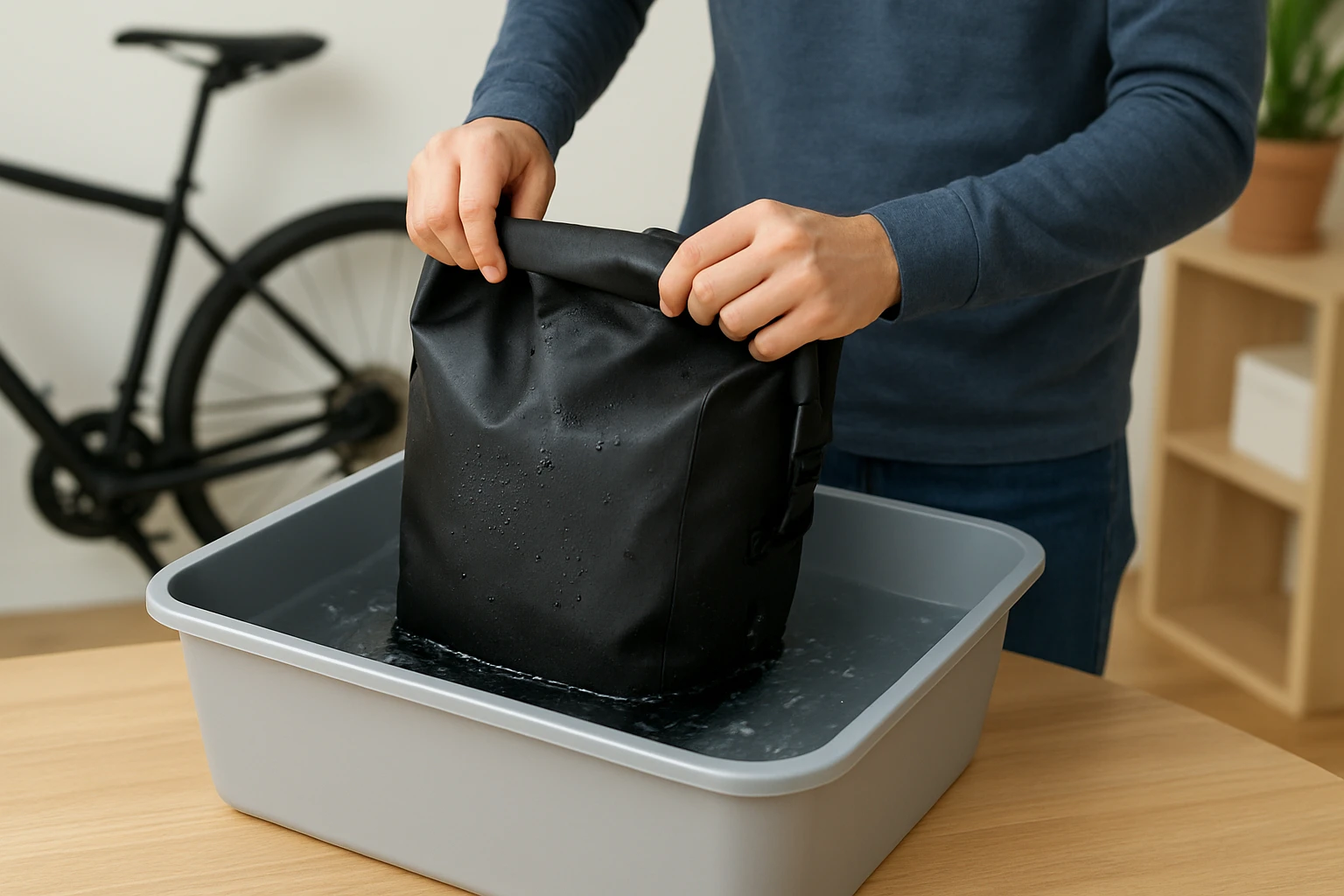

How to Test Your Bike Pannier’s Waterproofness at Home: A Step‑by‑Step DIY Leak Test to Protect Your Gear
Introduction
Every cyclist knows that a wet ride can damage valuable equipment, documents, and electronics. Understanding how to verify the waterproof integrity of a bike pannier before embarking on a long journey is essential for peace of mind. This guide will teach the reader how to perform a reliable leak test using common household items and a professional‑grade pannier. By the end, one will be able to assess waterproof performance, identify problem areas, and take corrective action.
The method described does not require specialized laboratory equipment; instead, it relies on simple principles of pressure and observation. It is suitable for riders of all experience levels who wish to safeguard their gear against rain, puddles, and accidental splashes. Moreover, the guide integrates a recommended product that exemplifies high‑quality waterproof construction.
Following the steps will also reveal whether the pannier’s seams, zippers, and material layers meet the advertised specifications. The reader will gain confidence that the pannier can endure real‑world conditions, whether commuting in a drizzle or tackling a mountain‑bike adventure.
Finally, the guide provides troubleshooting advice for common failure modes and highlights best‑practice maintenance to extend the lifespan of the pannier.
What You’ll Need
- Large basin or bathtub capable of holding at least 10 L of water
- Measuring cup (1 L or 2 L)
- Water‑proof tape (optional, for sealing temporary openings)
- Dry towel or microfiber cloth
- Notebook and pen for recording observations
- Rhinowalk 23L Waterproof Bike Pannier – the pannier to be tested
The basin provides a controlled environment where water pressure can be applied evenly. The measuring cup ensures that the correct volume of water is introduced, simulating realistic load conditions. Waterproof tape can be useful when testing a pannier that has removable compartments that need temporary sealing.
All items listed are inexpensive and readily available in most households, making the test both affordable and repeatable. The recommended pannier combines a durable 1000D polyester shell with a dual‑layer PVC barrier, offering a solid benchmark for waterproof performance.
Step 1: Prepare the Pannier
Begin by emptying the Rhinowalk 23L Waterproof Bike Pannier of any loose items, ensuring that the interior is completely clear. Inspect the exterior for visible debris, stitching defects, or damaged zippers, as these can affect the test outcome.
Close the main zip securely and engage any internal flap locks. If the pannier includes a removable shoulder strap, detach it to prevent interference with the water pressure. This preparation mirrors real‑world usage, where the bag is typically sealed before exposure to rain.
Next, position the pannier upright on a flat surface inside the basin, ensuring that the opening faces upward. This orientation allows water to pool naturally around the seam lines, revealing any potential leakage paths.
The preparation stage is critical because any pre‑existing damage may produce false positives during the leak test. By following these steps, one guarantees that the assessment reflects the pannier’s inherent waterproof qualities.
Step 2: Simulate Load with Water
Using the measuring cup, slowly pour water into the pannier until it reaches approximately 80 % of its advertised 23 L capacity—about 18 L. This volume replicates a fully loaded bag while leaving a small air pocket for buoyancy.
Distribute the water evenly by gently shaking the pannier, allowing the liquid to settle around the internal walls and seams. The dual‑layer PVC coating of the Rhinowalk bag is designed to repel water, so any seepage will be immediately noticeable on the exterior surface.
While filling, observe the rate at which water enters; a steady flow without splashing indicates that the seams are holding. If the water level rises unusually fast, pause and check for obvious tears that may need repair before proceeding.
Filling the bag to near‑capacity also tests the structural integrity of the attachment points, such as the quick‑release mounting brackets, ensuring they can support the weight of a wet load during actual rides.
Step 3: Apply Controlled Pressure
Once the pannier is filled, gently press down on the top surface with the palm of your hand, creating a modest pressure equivalent to a light rainstorm. Maintain this pressure for 30 seconds while watching the exterior for any droplets forming.
If the bag is truly waterproof, the water inside will remain contained, and the exterior will stay dry. The Rhinowalk’s 1000D polyester fabric, combined with the waterproof PVC layer, is engineered to withstand such pressure without allowing moisture ingress.
For a more rigorous assessment, one may submerge the pannier partially in the basin, ensuring that the zip and seams are fully immersed for an additional minute. This step mimics riding through deep puddles where water pressure can be higher than during a simple rain shower.
After the pressure test, lift the pannier and inspect the interior with a flashlight; any unexpected moisture on the inner walls signals a breach that requires attention.
Step 4: Dry and Evaluate Results
Remove the pannier from the basin and lay it flat on a dry towel. Pat the exterior gently with a microfiber cloth to absorb any surface moisture that may have accumulated during the test.
Allow the bag to air‑dry for at least 15 minutes, then re‑examine the interior for residual dampness. A fully waterproof pannier will exhibit no signs of water inside, confirming that the seams, zippers, and material layers performed as intended.
Document the findings in a notebook, noting the date, weather conditions, and any observations such as minor seepage near the zip pull or at the strap attachment points. This record will be useful for future maintenance and warranty claims.
If water is detected, consider applying waterproof tape to the affected area as a temporary fix, or contact the manufacturer for a replacement under the product’s warranty.
Step 5: Verify Zipper Functionality
After the bag has dried, test the main zip by opening and closing it several times while the bag remains empty. The zip should glide smoothly without catching or allowing water to enter.
The Rhinowalk pannier features a reinforced zip that is designed to maintain a seal even after repeated use. A compromised zip is a common source of leaks, especially after exposure to abrasive debris.
If the zip shows signs of wear, lubricate it with a silicone‑based zipper lubricant, which will enhance water resistance without attracting dirt.
Finally, re‑attach the removable shoulder strap and test its adjustability. The strap’s quick‑lock mechanism should operate without excessive force, ensuring that the bag can be carried comfortably off the bike.
Tips & Pro Tips
- Perform the leak test every six months or after any major impact to catch early signs of wear.
- Use a kitchen timer to ensure consistent pressure duration during Step 3.
- For extreme weather preparation, add a secondary waterproof liner inside the pannier for added protection.
- Store the pannier in a cool, dry place when not in use to prevent mold growth on the fabric.
- When riding, avoid over‑loading the bag beyond its 23 L capacity, as excess weight can stretch seams and compromise waterproofness.
Troubleshooting
Problem: Small droplets appear on the interior after the test.
Solution: Inspect the zip pull and surrounding fabric for micro‑tears. Apply a thin strip of waterproof tape and retest. If leakage persists, contact Rhinowalk customer support for a warranty replacement.
Problem: Water seeps from the strap attachment points.
Solution: Ensure that the strap’s lock pins are fully engaged. If the fabric around the holes is frayed, reinforce it with a fabric patch using a waterproof adhesive.
Problem: The bag does not retain its shape when filled.
Solution: Verify that the quick‑release mounting brackets are correctly aligned on the rear rack. Misalignment can cause stress on the bag’s seams, leading to deformation.
Conclusion
By following this systematic DIY leak test, one can confidently determine whether a bike pannier offers genuine waterproof protection. The process emphasizes careful preparation, realistic load simulation, controlled pressure application, and thorough post‑test inspection.
Using the Rhinowalk 23L Waterproof Bike Pannier as a reference model illustrates how high‑quality materials and thoughtful design contribute to reliable performance. Regular testing and maintenance will extend the bag’s service life and safeguard valuable gear on every ride.
Readers are encouraged to integrate this test into their pre‑ride checklist, especially before long tours or when cycling in regions known for heavy rain. A dry pannier translates directly into a worry‑free riding experience.
Products Mentioned in This Guide
Frequently Asked Questions
How can I test my bike pannier’s waterproofness at home without special equipment?
Fill the empty pannier with a small amount of water, seal it, and pressurize it with a household air pump or by gently squeezing to check for leaks.
What household items are needed for a reliable DIY leak test?
You’ll need a water source, a sealable bag or zip‑lock, a rubber band or tape, and optionally a hand pump or a bicycle pump for added pressure.
How do I identify specific leak points on the pannier?
Inspect the interior and exterior while the pannier is pressurized; any moisture or air bubbles indicate seams, zippers, or fabric defects.
Can I reuse the pannier after fixing a leak, and how?
Yes—apply a waterproof seam sealant or replace faulty zippers, then retest to confirm the repair holds under pressure.
What pressure level should I aim for during the leak test?
Aim for about 0.5 psi (3‑4 kPa), roughly the pressure of a light rainstorm, which is sufficient to reveal most leaks without damaging the bag.