Introduction
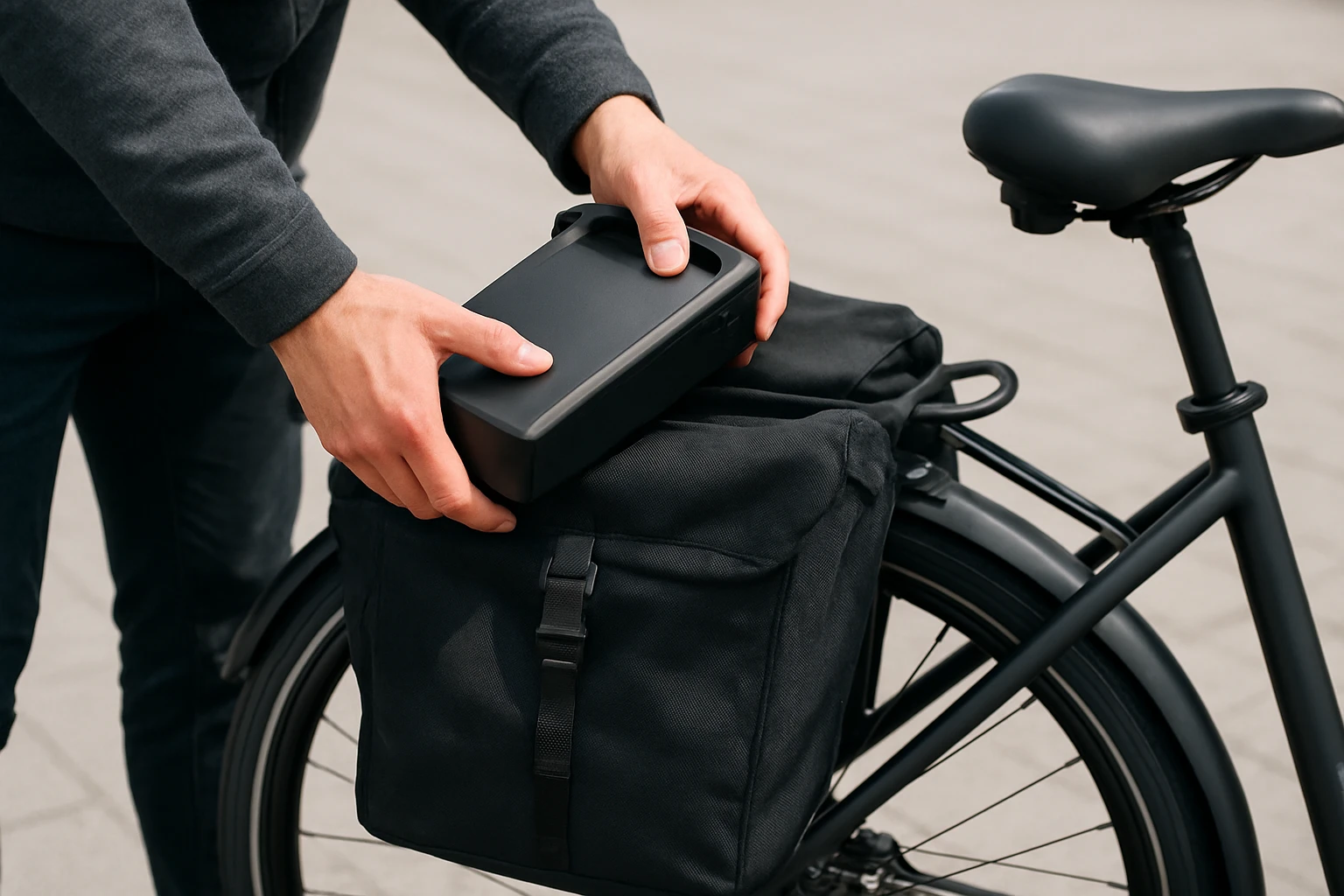
Transporting an electric‑bike battery in a pannier requires careful planning and knowledge of safety principles. This guide explains why proper handling matters, outlines the risks associated with lithium‑ion cells, and presents actionable steps for secure transport. Readers will learn how to select an appropriate pannier, how to mount and protect the battery, and which accessories can enhance safety. By the end of the article, one will be equipped to carry a battery confidently on any commute or adventure.
Background and Context
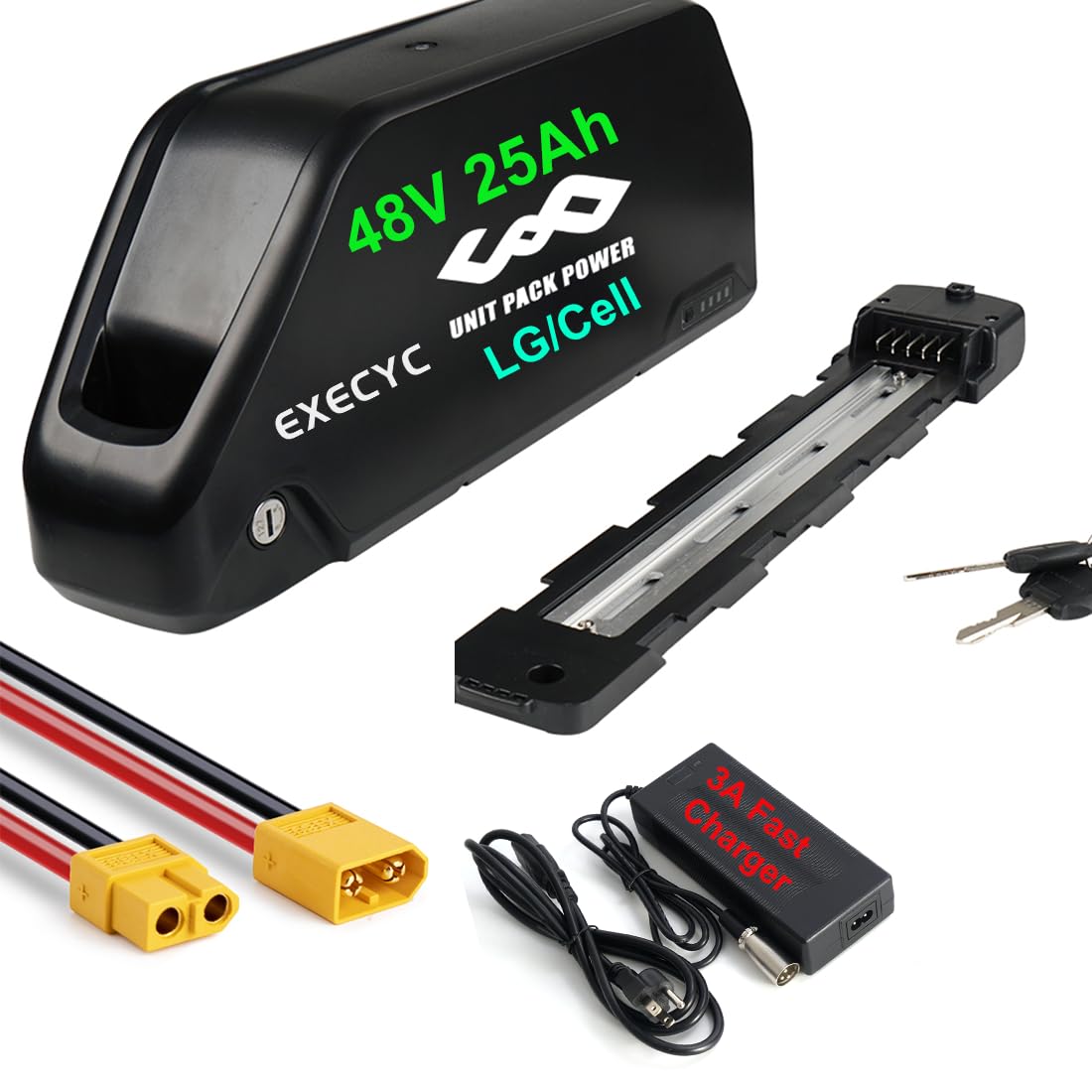
Lithium‑ion batteries, such as the EXECYC Ebike Battery Pack, store large amounts of energy in a compact form. Their chemistry provides high energy density but also makes them sensitive to physical shock, temperature extremes, and short circuits. Understanding these characteristics is essential for anyone who wishes to transport the battery in a pannier, a common storage solution on cargo‑capable bicycles. Regulations in many jurisdictions treat lithium‑ion cells as hazardous materials when improperly secured, which can lead to fines or denied entry on public transport.
Understanding Battery Risks
Three primary risks dominate battery transport: mechanical impact, thermal runaway, and electrical shorting. Mechanical impact can damage internal separators, leading to internal short circuits that may ignite the cell. Thermal runaway occurs when a cell overheats, causing a self‑sustaining reaction that releases fire or toxic gases. Electrical shorting can happen if conductive objects bridge the battery terminals, especially when the battery is not equipped with protective circuitry.
Manufacturers mitigate these hazards through built‑in Battery Management Systems (BMS). The EXECYC pack, for example, incorporates a 50 A BMS, anti‑theft lock, LED power indicator, and waterproof housing. Nevertheless, external protection remains vital because the BMS cannot compensate for severe physical damage or exposure to water beyond its sealed case.
Choosing the Right Pannier
The ideal pannier for an e‑bike battery balances durability, waterproofing, and secure mounting. Hard‑shell panniers made from polycarbonate or reinforced aluminum provide a rigid barrier that distributes impact forces across the battery’s surface. Soft‑sided panniers, often constructed from ballistic‑weave fabrics, offer flexibility but require additional internal padding to prevent point loads.
Key specifications to evaluate include internal dimensions, load rating, water resistance (IPX rating), and attachment system. For the EXECYC battery, the dimensions are 368 × 96 × 155 mm; therefore, a pannier with an internal compartment of at least 400 × 120 × 180 mm will accommodate the pack without forcing it into a tight space.
Securing the Battery Within the Pannier
Once a suitable pannier is selected, the battery must be immobilized to prevent movement during travel. The following steps are recommended:
- Place the battery on a non‑slip liner such as a silicone mat or closed‑cell foam sheet.
- Surround the battery with custom‑cut foam inserts that conform to its shape, absorbing vibrations and shocks.
- Use strap loops or Velcro fasteners integrated into the pannier to lock the battery in place, ensuring the 5‑pin discharge base remains accessible for charging.
- Seal the pannier with a waterproof zipper or roll‑top closure, verifying that the IPX rating is maintained.
These measures complement the battery’s internal anti‑vibration pads and waterproof case, creating a multi‑layered defense against external hazards.
Managing Temperature During Transit
Lithium‑ion cells operate optimally between 20 °C and 30 °C. Temperatures above 45 °C accelerate degradation and increase the likelihood of thermal runaway. Conversely, temperatures below 0 °C reduce capacity and may cause permanent damage if the battery remains in that state for extended periods.
To regulate temperature, consider the following practices:
- Store the pannier in a shaded area or use a reflective cover during hot weather.
- Avoid leaving the bike in a parked car where interior temperatures can exceed 60 °C.
- When riding in cold climates, keep the battery insulated with a thermal sleeve, but ensure ventilation to prevent heat buildup.
Legal and Transport Regulations
Many public transportation systems classify lithium‑ion batteries over 100 Wh as restricted items. The EXECYC pack, rated at 48 V × 13 Ah (approximately 624 Wh), exceeds this threshold and therefore should not be carried on airplanes without special handling. However, most local bus and train services allow such batteries if they are securely packaged and the total watt‑hour rating is disclosed.
Before boarding any vehicle, verify the carrier’s policy and be prepared to present the battery’s specifications. Carrying the product’s certification documents, such as the UL2271 SGS certification, can expedite inspections.
Comparison and Selection Guide
| Feature | Hard‑Shell Pannier | Soft‑Side Pannier | Recommended for EXECYC Battery |
|---|---|---|---|
| Impact Protection | High (rigid shell) | Medium (depends on padding) | Hard‑Shell |
| Water Resistance | IPX7–IPX8 | IPX5–IPX6 | Hard‑Shell |
| Weight | 1.2 kg | 0.8 kg | Hard‑Shell (adds safety) |
| Mounting System | Quick‑release clamps | Velcro straps | Quick‑release clamps for stability |
| Price Range | $80–$150 | $50–$100 | $100 (mid‑range) |
When selecting a pannier, prioritize impact protection and waterproofing, especially for high‑capacity batteries like the EXECYC pack. The modest price increase for a hard‑shell model yields a significant safety advantage.
Best Practices & Tips
- Inspect the battery for physical damage before each ride; replace if the case shows cracks or swelling.
- Never transport a fully discharged battery; maintain a charge level between 30 % and 70 % to reduce stress.
- Keep the battery’s discharge port covered when not in use to prevent accidental shorting.
- Use a dedicated charging station in a well‑ventilated area; avoid charging inside the pannier.
- Label the pannier with a battery warning sticker to inform handlers of the contents.
Frequently Asked Questions
- Can I ride with the battery inside the pannier?
- Yes, provided the pannier is securely mounted, the battery is immobilized, and the discharge cable does not interfere with the wheel or brakes.
- How often should I check the battery’s health?
- Perform a visual inspection monthly and run a capacity test every 200 charge cycles, which for the EXECYC pack is roughly every six months under normal use.
- Is it safe to charge the battery while it is inside the pannier?
- No. Charging generates heat; the pannier’s insulation could trap this heat, increasing the risk of thermal runaway.
- What should I do if the battery shows signs of swelling?
- Immediately stop using the battery, place it in a fire‑proof container, and contact the manufacturer for a replacement.
- Are there any legal limits for carrying e‑bike batteries on trains?
- Most rail operators allow batteries up to 500 Wh without special permission; for higher capacities like the EXECYC pack, you may need to declare the battery and present certification.
Conclusion
Carrying an e‑bike battery in a pannier is a practical solution for long‑distance commuting when performed with proper safety measures. Understanding the battery’s technical specifications, selecting a robust pannier, and employing secure mounting techniques together mitigate the risks of impact, temperature, and electrical hazards. By following the best practices outlined in this guide, one can enjoy the convenience of a portable power source while adhering to legal requirements and preserving battery longevity.
Products Featured in This Guide
EXECYC Ebike Battery Pack
Price: $305.95
Rating: 5.0 out of 5 (6 reviews)
Featured because it offers a high‑capacity 48 V/52 V lithium‑ion pack with a 50 A BMS, waterproof case, anti‑vibration pads, and a 5‑pin discharge base that integrates seamlessly with secure pannier solutions.