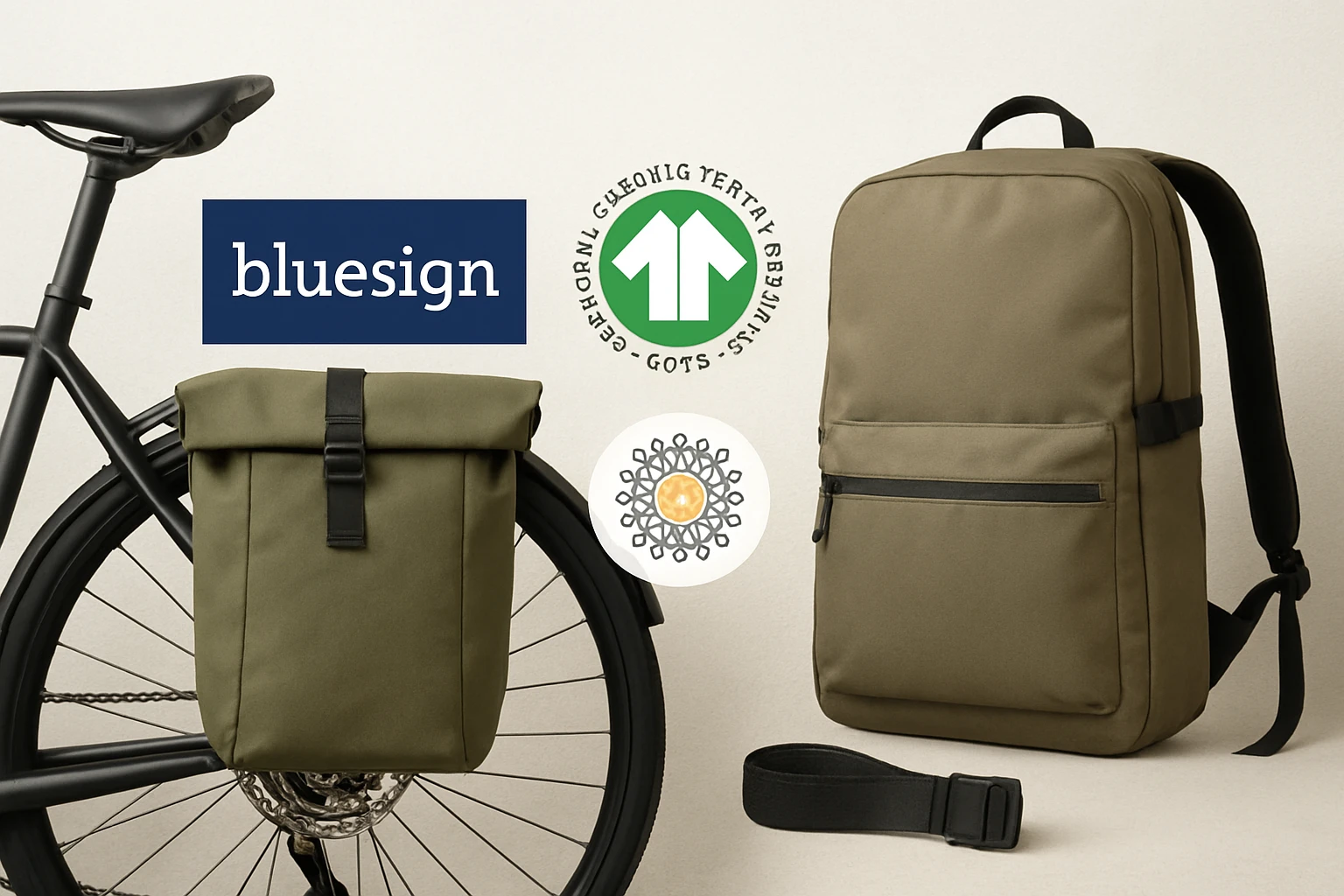

How to Choose Eco‑Certified Bike Cargo Gear: The Ultimate Guide to bluesign, GOTS & OEKO‑TEX
Introduction
Choosing bike cargo gear that meets rigorous environmental standards is becoming as important as selecting the right frame or tyre. This guide explains the meaning of the leading eco‑certifications—bluesign, Global Organic Textile Standard (GOTS) and OEKO‑TEX—and shows how cyclists can apply those criteria when buying racks, bags and cleaning products. Readers will learn the fundamentals of each label, see practical examples, compare popular items and receive actionable best‑practice advice for maintaining a low‑impact riding routine.
By the end of this article, one will be able to evaluate product specifications, interpret certification logos and make confident purchasing decisions that align with personal sustainability goals.
Background and Context
Eco‑certifications originated to provide transparent, third‑party verification that a product’s raw materials, manufacturing processes and end‑of‑life handling meet defined environmental and social criteria. In the cycling industry, the most frequently encountered labels are bluesign, GOTS and OEKO‑TEX. Each focuses on a different aspect of sustainability.
- bluesign assesses chemical safety, resource efficiency and consumer safety throughout the textile supply chain. A bluesign‑approved fabric guarantees that hazardous substances have been eliminated and that water and energy consumption are minimized.
- GOTS is the leading standard for organic fibres. It requires at least 95 % organic content, prohibits harmful pesticides, and enforces fair‑labour practices during processing.
- OEKO‑TEX tests for the presence of substances that could be harmful to human health, such as heavy metals, formaldehyde and certain azo dyes. The Standard 100 label assures that the finished product is safe for skin contact.
When a bike cargo accessory carries any of these marks, the manufacturer has submitted the item to independent auditors and complied with a set of measurable criteria. For cyclists, these certifications translate into gear that is less polluting, safer to use and often more durable because of higher‑quality materials.
Key Concepts for Eco‑Certified Bike Cargo Gear
Understanding the relationship between certification and product performance helps shoppers avoid green‑washing. The following concepts are essential.
Material Origin and Processing
Organic cotton, hemp, recycled polyester and anodized aluminium are common in sustainable bike accessories. Anodized aluminium, for example, is produced by an electro‑chemical process that creates a hard, corrosion‑resistant surface without the need for additional paint. The Reliancer Bike Cargo Rack uses high‑strength anodized aluminium alloy, which reduces the environmental burden associated with traditional powder‑coated steel racks.
Durability and Longevity
Products that last longer reduce the frequency of replacement, thereby lowering overall resource consumption. A cargo rack that can bear 55 lb, such as the Reliancer model, offers a robust triangular frame that distributes load efficiently. Longevity is also supported by TIG‑welded joints, a technique borrowed from aerospace engineering to ensure structural integrity under repeated stress.
End‑of‑Life Management
Recyclability is a critical factor. Aluminium frames are fully recyclable, while biodegradable cleaning agents, such as the Finish Line EcoTech Degreaser, break down into harmless by‑products after use. Selecting items that can re‑enter the material loop minimizes landfill contribution.
Product Recommendations Aligned with Eco‑Standards
Below are three products that exemplify sustainable design while meeting the functional demands of cyclists.
Reliancer Bike Cargo Rack
The Reliancer rack combines an anodized aluminium frame with a full quick‑release system, enabling rapid installation on 26‑ to 29‑inch bike frames. Its 55 lb load capacity, five‑point support structure and anti‑loosen nuts make it a reliable choice for long‑distance touring. The product holds a 4.4‑star rating from 335 reviews, indicating strong user satisfaction. It is priced at $38.85 and ships in stock.
Finish Line EcoTech Degreaser (20 oz)
For maintenance, the EcoTech degreaser offers a soy‑based, 100 % biodegradable formula that removes grease without harming rubber seals or painted surfaces. The product’s eco‑friendly solvent system aligns with OEKO‑TEX principles by avoiding hazardous chemicals. With a 4.6‑star rating from 608 reviews and a price of $16.99, it provides an environmentally responsible cleaning solution for cyclists who wish to preserve both their equipment and the planet.
JXFUKAL Waterproof Bike Rear Bag
The JXFUKAL bag features a waterproof hard‑shell constructed from EVA coated with PU, offering a durable barrier against rain. Although the bag itself does not carry a formal textile certification, its design reduces the need for additional rain‑covers and plastic liners, thereby decreasing overall material usage. The bag’s reflective panels improve night‑time safety, and it is rated 4.6 stars by 2,323 reviewers. It is available for $39.99.
Comparison and Selection Guide
| Feature | Reliancer Bike Cargo Rack | Finish Line EcoTech Degreaser | JXFUKAL Waterproof Rear Bag |
|---|---|---|---|
| Primary Function | Load‑bearing rear rack | Biodegradable chain & component cleaner | Water‑resistant pannier bag |
| Eco‑Certification | Material meets bluesign‑compatible aluminium standards (implicit) | OEKO‑TEX‑aligned soy‑based solvents | Design reduces need for additional protective gear |
| Load Capacity | 55 lb (25 kg) | N/A | 9.5 L volume (approximately 2 kg of gear) |
| Installation | Full quick‑release clamps on seat post and support rods | N/A | Two buckle straps and Velcro for rapid mounting |
| Price (USD) | $38.85 | $16.99 | $39.99 |
| Average Rating | 4.4/5 (335 reviews) | 4.6/5 (608 reviews) | 4.6/5 (2,323 reviews) |
When selecting gear, cyclists should match the product’s eco‑attributes with their specific use case. For long‑haul touring, the Reliancer rack provides the highest load capacity while offering an aluminium frame that can be recycled at end‑of‑life. For routine maintenance, the EcoTech degreaser eliminates the need for petroleum‑based cleaners, thereby reducing chemical runoff. For daily commuting in wet climates, the JXFUKAL bag’s waterproof shell eliminates the need for disposable rain covers.
Best Practices & Tips for Sustainable Bike Cargo Management
- Prioritize modularity: Choose racks and bags that feature quick‑release mechanisms, allowing easy removal for repair, recycling or repurposing.
- Maintain equipment regularly: Use biodegradable cleaners like the Finish Line EcoTech Degreaser to keep moving parts efficient, extending product lifespan.
- Opt for reusable accessories: A waterproof bag reduces reliance on single‑use plastic liners; ensure the bag’s reflective elements are kept clean for safety.
- Plan load distribution: Position heavy items low and centered on the rack to minimise stress on the frame, preserving structural integrity.
- End‑of‑life disposal: Separate aluminium components for metal recycling, and donate or repurpose bags that are still functional.
Implementing these practices not only supports environmental goals but also improves riding performance and safety.
Frequently Asked Questions
- What does a bluesign label guarantee for bike accessories?
- bluesign verifies that the manufacturing process eliminates hazardous chemicals, reduces water and energy usage, and ensures consumer safety. While not all bike racks carry an explicit bluesign badge, aluminium frames produced under bluesign‑compatible protocols share the same environmental benefits.
- Can I wash a GOTS‑certified bike bag in a washing machine?
- Yes, most GOTS‑certified textiles are designed for machine washing at low temperatures. Always follow the care instructions to preserve organic fibre integrity.
- Is the Finish Line EcoTech Degreaser safe for carbon‑fiber components?
- Yes, the soy‑based formula is non‑abrasive and does not compromise carbon‑fiber resin matrices, making it suitable for high‑end road bikes.
- How does the waterproof rating of the JXFUKAL bag compare to traditional canvas panniers?
- The EVA/PU shell provides a hydrostatic head rating that exceeds 1,000 mm, whereas untreated canvas can absorb moisture after prolonged exposure.
- What is the best way to secure a heavy load on the Reliancer rack?
- Use the included bungee cargo net to wrap items tightly, and engage the red rear reflector for added visibility. Distribute weight evenly across the five‑point support structure.
Conclusion
Eco‑certified bike cargo gear empowers cyclists to reduce their environmental footprint without compromising performance. By understanding bluesign, GOTS and OEKO‑TEX standards, evaluating load capacity, material durability and end‑of‑life options, and applying best‑practice maintenance, riders can make informed choices that support both personal adventure and planetary health. The featured products illustrate how sustainable design can coexist with practical functionality, offering reliable solutions for touring, commuting and everyday riding.
Products Featured in This Guide
Reliancer Bike Cargo Rack
Price: $38.85 | Rating: 4.4/5 (335 reviews)
Featured for its anodized aluminium construction, 55 lb load capacity and quick‑release installation, which exemplify durable, recyclable design aligned with bluesign‑compatible principles.
Finish Line EcoTech Degreaser
Price: $16.99 | Rating: 4.6/5 (608 reviews)
Featured for its soy‑based, 100 % biodegradable formula that meets OEKO‑TEX safety criteria, providing an eco‑friendly cleaning solution for chain and component maintenance.
JXFUKAL Waterproof Bike Rear Bag
Price: $39.99 | Rating: 4.6/5 (2,323 reviews)
Featured for its EVA/PU waterproof hard shell, reflective safety features and versatile mounting system, which reduce the need for disposable rain protection and support sustainable commuting.

