
How to Bikepack for a Weekend Market: Essential Packing Checklist
Introduction
One will learn how to transform a standard bicycle into a mobile market stall while staying safe, comfortable, and efficient. This guide explains the planning, gear selection, packing strategy, and on‑the‑road adjustments required for a successful weekend market trip. By following these steps, the reader can maximise sales potential, minimise fatigue, and avoid common pitfalls that plague novice bikepackers. The information is valuable because it combines practical logistics with proven products that streamline the experience.
Whether the market is a farmer’s market, craft fair, or pop‑up shop, the principles remain the same: protect merchandise, stay hydrated, and be prepared for emergencies. The guide assumes an intermediate skill level, meaning the reader is comfortable riding a bike with cargo but may need guidance on optimal organization. All recommendations are based on real Amazon products with verified ratings and price points.
What You’ll Need
- Protect Life Compact First Aid Kit – $9.96, 4.7/5 stars
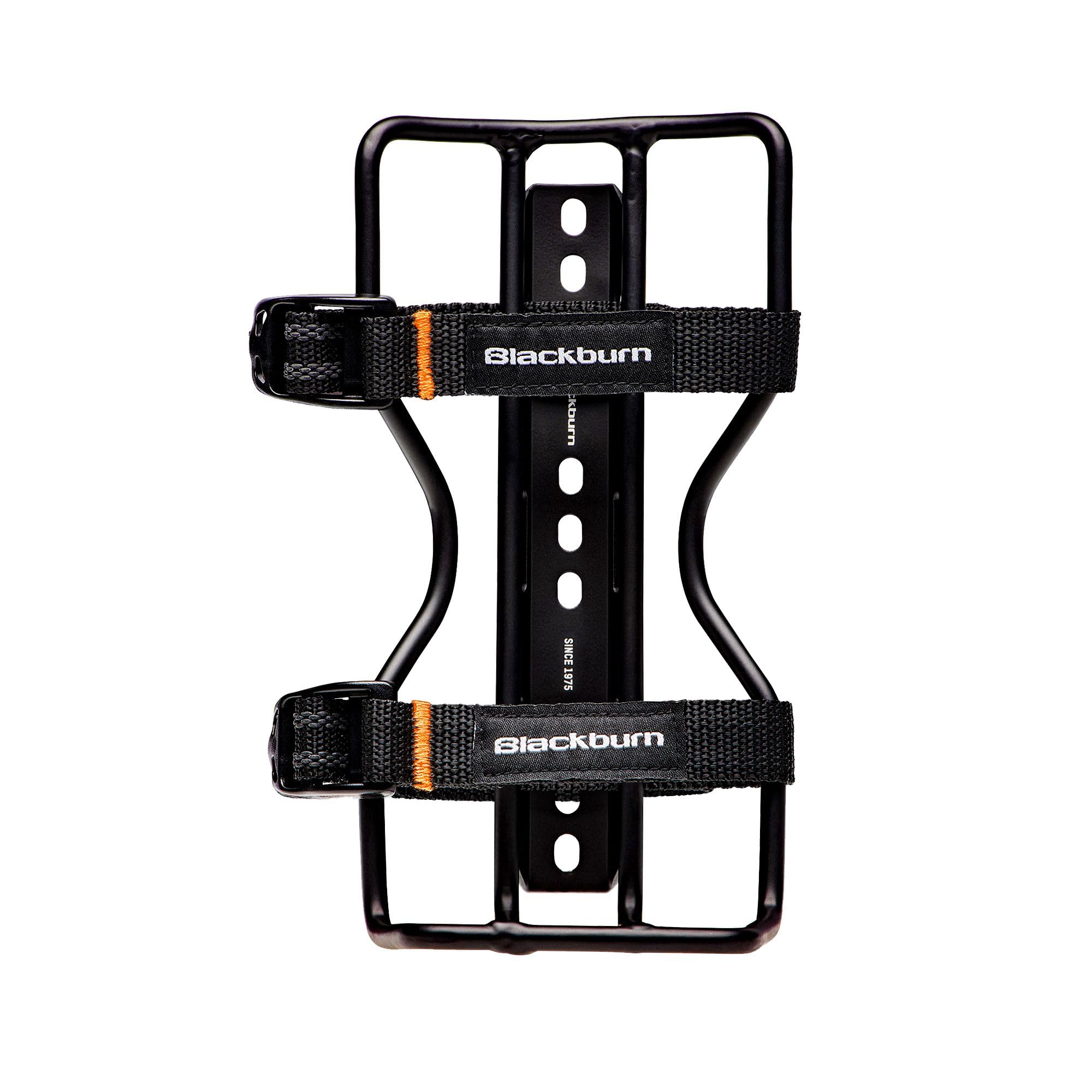
- Blackburn Outpost Cargo Cage – $44.95, 4.6/5 stars
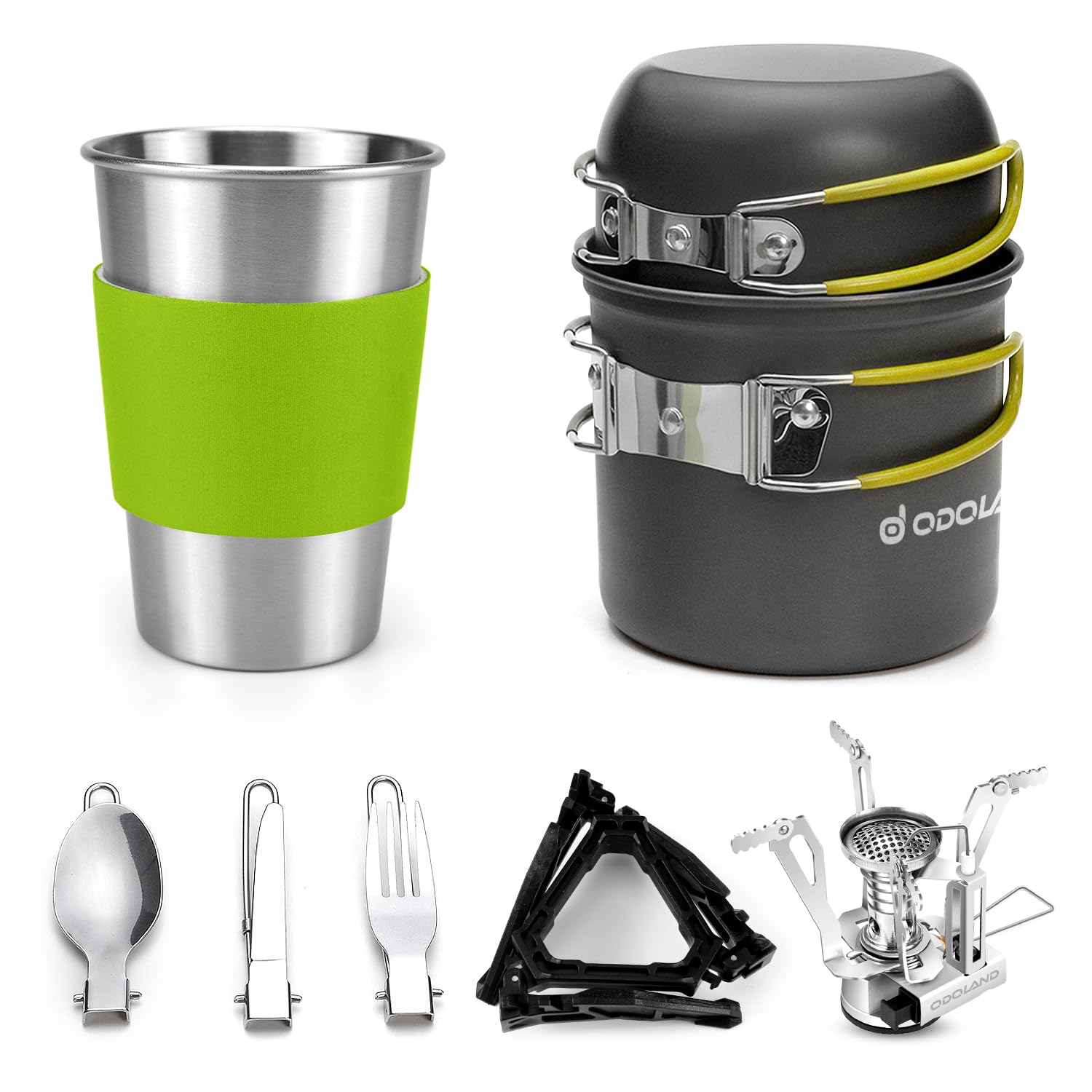
- Odoland Camping Cookware Set – $23.19, 4.6/5 stars
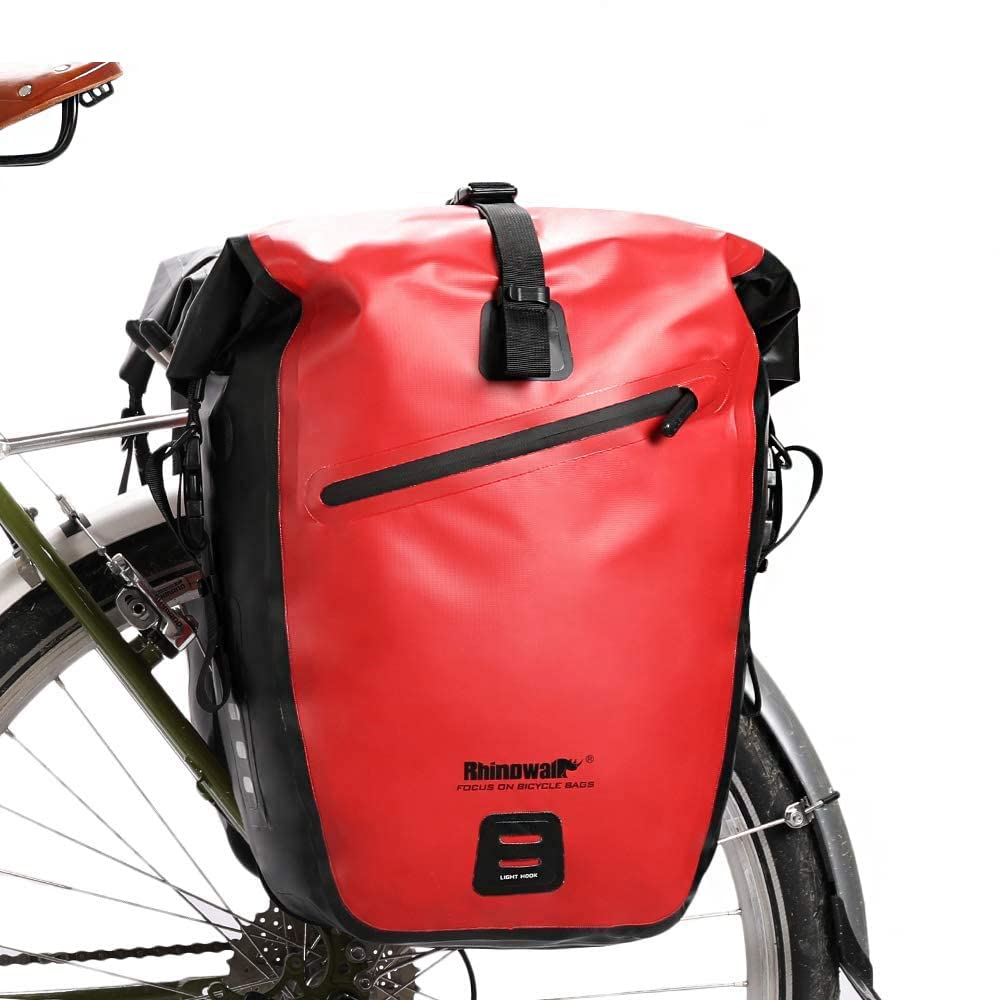
- Rhinowalk Waterproof Bike Pannier Bag – $49.99, 4.5/5 stars
Step 1: Plan Your Route and Market Schedule
One should begin by researching the market location, operating hours, and any permit requirements. Map the most direct bike route, noting elevation changes, traffic density, and potential rest stops for hydration and quick repairs. Verify that the chosen route can accommodate the cargo system, especially if the bike will carry a large pannier or cargo cage. Write down a checklist of items needed for the market day, including product inventory, pricing tags, and payment methods.
Step 2: Prepare Your Bike and Cargo System
Mount a sturdy cargo solution on the rear rack to hold merchandise, signage, and personal items. The Blackburn Outpost Cargo Cage offers three sets of mounting holes, allowing adaptation to various frame sizes, and includes straps for securing irregularly shaped bundles such as bottles or fabric rolls. Its rugged construction protects gear from road vibration while keeping the load centred for stable handling.
For additional storage, attach the Rhinowalk Waterproof Bike Pannier Bag to the rear rack. This 25‑liter bag is waterproof, lightweight, and features a roll‑top expansion that accommodates extra market flyers or a compact folding chair. The quick‑release mount with reinforced buckles enables rapid removal if the bike must be locked up, and the reflective logos improve visibility during early morning or evening rides.
Step 3: Pack Medical and Safety Supplies
Every bikepacker should travel with a reliable first‑aid solution. The Protect Life Compact First Aid Kit provides a complete 100‑piece emergency kit, including a thermal blanket, tourniquet, antiseptic wipes, and scissors, all housed in a waterproof hard case. Its doctor‑written guide assists in treating common injuries such as cuts, sprains, or burns that may occur while loading heavy crates or navigating uneven pavement.
Place the first‑aid kit in an easily reachable pocket of the pannier bag, ensuring that the emergency blanket remains accessible for unexpected weather changes. The kit’s compact size (approximately 7 × 5 × 2 inches) means it does not interfere with other cargo, yet its durability protects supplies from moisture during rainy market days.
Step 4: Organize Cooking and Food Supplies
If the market stall includes a coffee or snack service, a lightweight cooking solution is essential. The Odoland Camping Cookware Set includes a mini stove, two non‑stick pots, a stainless steel cup, utensils, and a silicone insulated cup protector. All components fold or collapse, allowing them to fit inside the pannier bag without sacrificing space for merchandise.
Use the anti‑slip handles to prevent burns when handling hot pots, and store the silicone protector to keep the cup safe during transport. The set’s anodized aluminum construction conducts heat quickly, making it ideal for brewing coffee or heating a quick soup for fellow vendors. By packing a small fuel canister and a reusable water bottle, one can remain self‑sufficient without relying on market facilities.
Step 5: Load and Secure Gear
Begin by placing heavier items low and centred in the cargo cage to maintain a low centre of gravity, which improves bike stability on hills and turns. Secure the cargo cage with its built‑in straps, then load the pannier bag on top, ensuring the waterproof seal is closed. Fasten the pannier’s compression straps to eliminate shifting during the ride.
Finally, tuck the first‑aid kit into an external pocket of the pannier for quick access, and store the cookware set in the interior compartment. Double‑check that all straps are tightened and that the quick‑release mount on the pannier bag is engaged to prevent accidental detachment.
Step 6: Test Ride and Adjust
Before departing for the market, perform a short test ride with the fully loaded bike. Pay attention to steering response, brake feel, and any rattling noises that may indicate loose straps. If the bike feels nose‑heavy, redistribute weight by moving some items from the front rack to the rear cage.
Make any necessary adjustments, such as tightening the cargo cage bolts or repositioning the pannier bag’s roll‑top. A brief test ensures that the rider can arrive at the market feeling confident, reducing the risk of accidents that could damage merchandise.
Tips & Pro Tips
- Label each box or bag with a waterproof marker to expedite inventory checks at the market.
- Carry a small multi‑tool for on‑the‑spot bike adjustments; it can also assist with opening canned goods if you serve snacks.
- Use reflective tape on the cargo cage and pannier to increase visibility during dusk arrivals.
- Pack a lightweight rain jacket in the pannier, even if the forecast is clear; weather can change rapidly.
Troubleshooting
Problem: The pannier bag leaks during a rainstorm.
Solution: Verify that the roll‑top seal is fully closed and that the seam‑sealed construction is not damaged. If the leak persists, apply a waterproof tape patch to the affected seam.
Problem: The cargo cage shifts while climbing a steep hill.
Solution: Re‑tighten the cage’s mounting bolts and use the included straps to bind the load more securely. Distribute weight lower in the cage to improve balance.
Conclusion
One now possesses a clear, actionable checklist for bikepacking to a weekend market, from route planning to final test ride. By employing the recommended cargo cage, pannier bag, first‑aid kit, and cookware set, the rider can focus on sales rather than logistics. The combination of proper preparation and high‑quality gear ensures a safe, efficient, and profitable market experience. One is encouraged to apply these steps on the next market outing and enjoy the freedom of mobile commerce.
Products Mentioned in This Guide
Frequently Asked Questions
What essential items should I pack for a weekend market bikepack?
Include a sturdy pannier system, waterproof covers, a compact tool kit, water bottles, and a lightweight sales table or display rack.
How can I protect my merchandise while riding?
Use padded, waterproof panniers and secure straps, and consider a protective canopy or cover for delicate items.
What is the best way to stay hydrated on a market bike trip?
Carry at least two refillable water bottles or a hydration reservoir and drink regularly, especially in warm weather.
How do I choose the right bike rack or pannier for market gear?
Select racks that fit your bike frame, have a high load capacity, and pair with panniers that distribute weight evenly and are easy to access.
What emergency supplies should I carry on a bikepacking market trip?
Pack a multi‑tool, spare tube or patch kit, a mini first‑aid kit, and a portable phone charger for unexpected situations.