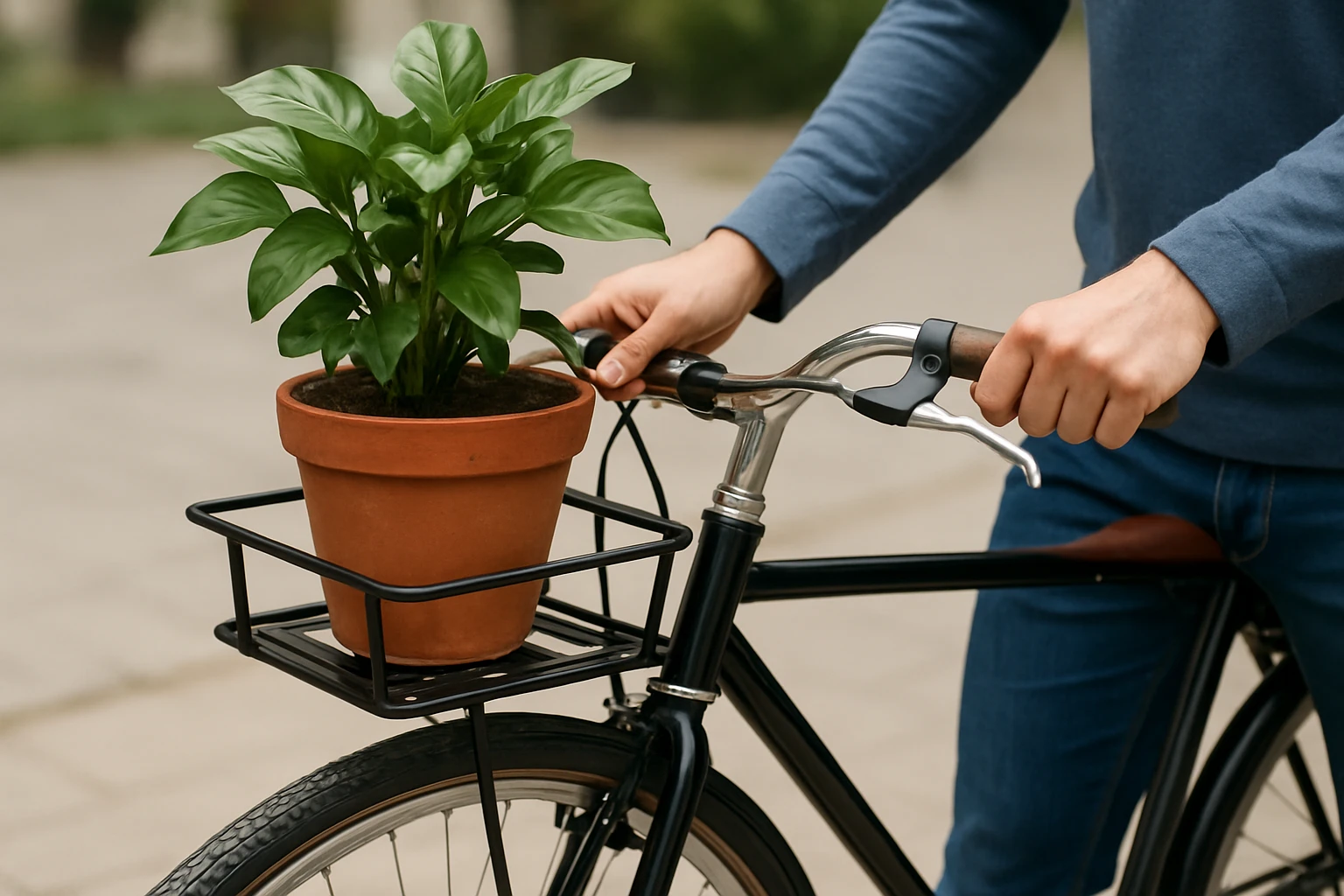

How to Carry Potted Plants on a Bike Without Damage: 12 Proven Tips for Safe, Secure Transport
Introduction
Transporting potted plants on a bicycle can be a rewarding way to combine exercise with gardening, yet it presents unique challenges that demand careful preparation. This guide will teach readers twelve proven techniques that protect plant roots, foliage, and containers while maintaining balance and stability on the bike. By following each step, one can enjoy morning rides to the community garden, weekend trips to a friend’s balcony, or spontaneous errands without fearing broken stems or spilled soil. The information presented is practical, evidence‑based, and applicable to a wide range of bicycle types and plant sizes.
What You'll Need
- Sturdy front basket or rear rack (example: Retrospec Apollo Bike Basket)
- Adjustable straps or bungee cords
- Protective padding such as foam sheets or old towels
- Water‑resistant container liners
- Small hand‑pump for tire pressure checks
Step 1: Choose the Right Bicycle
Select a bike with a stable geometry, preferably a hybrid or commuter model that offers a horizontal top tube and a comfortable upright riding position. A stable frame reduces sudden shifts in the center of gravity when a heavy pot is added. Verify that the bike has mounting points for a front basket or rear rack; most modern bikes include eyelets on the seat stays and rear dropouts. If the bike lacks these points, consider installing a universal mounting kit before proceeding.
Step 2: Install a Front Basket for Easy Access
Mounting a front basket provides quick loading and unloading, especially when the destination involves frequent stops. The Retrospec Apollo Bike Basket attaches in seconds without tools, using integrated hooks that snap securely onto the handlebars. Its weather‑resistant steel construction ensures durability through rain, sun, and occasional bumps. The built‑in ergonomic handles allow the rider to detach the basket and carry it like a shopping tote, which is useful for larger pots that exceed the basket’s capacity.
Step 3: Select an Appropriately Sized Pot
Choose a pot whose diameter does not exceed the basket’s internal width of 9.5 inches, and whose height fits within the basket’s 14‑inch depth. Smaller pots are less likely to shift during acceleration, while larger pots may require a rear rack instead. Opt for lightweight containers made of plastic or fabric, as heavy ceramic pots increase the risk of loss of control. If a heavier pot is unavoidable, place it on a rear rack and balance the load with a front basket.
Step 4: Secure the Pot with Adjustable Straps
Wrap adjustable nylon straps around the pot and fasten them to the basket’s frame, ensuring that the pot cannot roll or tip. Position the straps low on the pot’s base to keep the center of gravity close to the bike’s center line. Tighten the straps until they are firm but not so tight that they compress the soil and damage roots. Test the stability by gently shaking the basket; the pot should remain motionless.
Step 5: Add Protective Padding
Place a layer of foam sheet or a folded towel inside the basket before inserting the pot. The padding absorbs minor shocks from uneven pavement and prevents the pot from scratching the basket’s steel bars. For especially delicate foliage, wrap the plant’s lower stems in a soft cloth to reduce abrasion. Replace padding after each ride if it becomes compressed or soiled.
Step 6: Use a Water‑Resistant Liner
Insert a water‑resistant liner, such as a heavy‑duty trash bag, inside the basket to contain any spilled soil or water. The liner protects the basket’s metal components from corrosion and keeps the bike clean. Secure the liner’s edges with the same straps used for the pot, creating a sealed envelope around the plant. After the ride, remove the liner, shake out excess soil, and allow the basket to dry.
Step 7: Balance the Load Properly
Place the pot centrally within the basket, aligning its center with the bike’s forward axle. An off‑center load creates a pulling force that can cause the front wheel to wobble or the steering to feel heavy. If the plant is tall, tilt it slightly backward to keep the weight behind the front wheel, which improves traction on hills. Perform a short test ride in a safe area to confirm that steering remains smooth.
Step 8: Check Tire Pressure Before Riding
Inflate both front and rear tires to the manufacturer’s recommended pressure, typically indicated on the sidewall. Proper tire pressure reduces the impact of bumps, thereby protecting the plant from sudden jolts. Use a small hand‑pump to make adjustments; a few PSI difference can dramatically affect ride comfort. Re‑check pressure after the first few rides, as added weight can cause a slight drop.
Step 9: Ride at Moderate Speeds
Maintain a moderate cadence, avoiding rapid accelerations and hard braking, which generate forces that can dislodge the pot. Smooth, consistent pedaling distributes weight evenly and minimizes sway. When navigating turns, reduce speed to keep the plant from swinging outward due to centrifugal force. This riding style also conserves energy and extends the lifespan of the bike’s components.
Step 10: Protect the Plant from Direct Sunlight
During long rides on sunny days, cover the foliage with a lightweight, breathable cloth to prevent leaf scorch. The cloth should allow air circulation while shading the leaves, similar to a garden shade cloth. Position the cover so that it does not interfere with the basket’s straps or impede the rider’s view. Remove the cover once the bike is parked in a shaded area.
Step 11: Unload Carefully at the Destination
When arriving, detach the basket from the handlebars using the integrated hooks, then lift the basket by its ergonomic handles. Gently set the basket on a stable surface before removing the plant, ensuring that the pot does not tip over. If the basket is still attached, support the pot with one hand while steadying the bike with the other. This method prevents accidental drops that could damage roots.
Step 12: Perform Post‑Ride Maintenance
After each trip, inspect the basket, straps, and padding for wear or damage. Clean any soil residue from the steel frame to avoid corrosion, and wipe down the handles for a secure grip. Replace worn straps or padding immediately, as compromised components reduce safety. Store the basket in a dry location to prolong its lifespan.
Tips & Pro Tips
- Carry a small portable rain cover for unexpected showers; moisture can weaken soil structure and cause slippage.
- Use biodegradable potting mix that retains shape better than heavy garden soil, reducing movement inside the basket.
- For multiple plants, distribute weight evenly across both a front basket and a rear rack to maintain overall balance.
- Attach a reflective safety strip to the basket for increased visibility during early morning or evening rides.
Troubleshooting
Problem: The pot tilts forward during steep descents.
Solution: Shift the pot slightly backward and tighten the front straps, or transfer the plant to a rear rack where gravity assists stability.
Problem: Soil leaks onto the bike frame.
Solution: Ensure the water‑resistant liner is fully sealed and consider adding an extra layer of plastic wrap under the basket.
Conclusion
By applying the twelve steps outlined in this guide, one can transport potted plants on a bicycle safely, efficiently, and without damage to foliage or containers. The combination of a reliable front basket, proper securing techniques, and mindful riding habits creates a seamless experience for gardeners on the move. Readers are encouraged to experiment with the recommended tools, adapt the methods to their specific bike and plant types, and enjoy the freedom of mobile gardening.
Products Mentioned in This Guide
Frequently Asked Questions
What type of bike rack is best for transporting potted plants?
A sturdy rear rack or front basket with a high weight capacity and a flat surface is ideal for keeping pots stable.
How can I prevent soil from spilling during the ride?
Line the pot with a water‑resistant liner or a plastic bag and add a layer of foam or towels for extra containment.
What straps should I use to secure the plants?
Adjustable nylon straps or bungee cords with a quick‑release buckle provide a tight, flexible hold without crushing the pot.
Do I need to adjust tire pressure before carrying plants?
Yes, inflate tires to the recommended pressure for your load to maintain balance and reduce wobble.
How can I protect delicate foliage from wind and bumps?
Wrap the plant loosely with a breathable cloth or mesh and position it low in the rack to minimize exposure.